

Silmi nimetatakse sageli hinge peegliks. Kuid igapäevaelu kiiruses, unustame sageli neid ümbritseva õrna naha. Väsinud, kuivad silmad – ja neid ümbritsev nahk – näitavad peaaegu kohe kõiki väsimuse ja stressi märke. Silmade all ja ümber olev nahk on erakordselt õhuke ja õrn, mistõttu on see üks esimesi piirkondi, kus peened jooned, miimikakortsud, ja vanusega seotud kortsud nähtavaks muutuvad. Kui mõistate, kuidas seda õrna piirkonda hooldada — ja kuidas valida õiget silmakreemi —, võib teie pilk jääda värskeks, puhanuks, ja nooruslikuks veel paljudeks aastateks.
Miks on silmade ümbruse nahk nii haavatav?
Peamine põhjus on paksus – või pigem, selle puudumine. Isegi puudutades, tundub silmade ümbruse nahk märgatavalt õhem ja õrnem kui ülejäänud näol. Selle piirkonna kollageenikiud on nõrgemad, ja elastiini sisaldus on madalam, mis tähendab, et nahk kaotab oma tihkuse ja elastsuse palju kergemini kui mujal. See muudab silmaümbruse erakordselt vastuvõtlikuks keskkonnakahjustustele — UV-kiirgus, saaste ja tuul avaldavad siin kõik suuremat mõju.
Silmade ümbruse nahk kuivab ka kiiresti, kuna seal on vähem rasunäärmeid, mis tagaksid loomuliku niiskuse. Seetõttu ilmuvad peened jooned sageli esmalt just siia, isegi suhteliselt noorel nahal.
Siis on veel need tuttavad hommikused külalised: tumedad ringid ja paistetus. Peaaegu igaüks on kogenud ärkamist silmade all olevate varjude või paistetustega. Isegi üksainus halb ööuni on piisav, et see õrn nahk reageeriks nähtavalt. Ebaregulaarne elustiil, krooniline stress, vedelikupuudus või liigne soola tarbimine võivad muuta need probleemid pigem püsivaks kui juhuslikuks.
Kuidas valida õige silmakreem
Silmakreem ei ole valikuline luksus – see on ainus toode, mis on spetsiaalselt loodud selle eriti õrna piirkonna jaoks. Tavalised näo niisutajad, olenemata sellest, kui kvaliteetsed, need on, ei ole mõeldud silmade ümbruse naha spetsiifiliste vajaduste rahuldamiseks. Need on sageli liiga rasked, liiga rikkalikud, või sisaldavad toimeaineid kontsentratsioonides, mis võivad seda tundlikku piirkonda ärritada.
Õige silmakreemi valimiseks tuleb arvesse võtta kolme peamist tegurit:
1. Teie nahatüüp
Alustage sellest, et selgitate välja, kas teie nahk on kuiv, normaalne, rasune, või kombineeritud. See määrab kindlaks teile kõige paremini sobiva baasvalemi – kergemad geelipõhised kreemid rasusele nahale, rikkamad emulsioonid kuivale nahale, ning tasakaalustatud koostisega tooted normaalse või kombineeritud nahatüübi jaoks. Silmakreem peaks sobima teie üldise nahatüübiga, mitte töötama selle vastu.
2. Teie konkreetsed mured
Vaadake hoolikalt oma silmade ümbrust ja selgitage välja, mis teid kõige rohkem häirib:
- Peened jooned ja kortsud — otsige kreeme, mis sisaldavad kollageeni tootmist soodustavaid ja elastsust taastavaid koostisosi
- Tumedad ringid — vali tooted, mis sisaldavad nahka heledamaks muutvaid ja vereringet soodustavaid toimeaineid
- Turse ja kotid — vali kerged, jahutavad koostised, millel on põletikuvastased omadused
- Kuivus ja dehüdratsioon — eelistage sügavuti niisutavaid ja nahabarjääri tugevdavaid kreeme
- Üldine ennetamine — mitmekülgne niisutav koostis antioksüdantse kaitsega
3. Teie vanus
Vanus mõjutab oluliselt seda, millised koostisosad ja koostise tugevus on sobivad:
Teie kahekümnendates, peaks rõhk olema niisutamisel ja ennetamisel. Kerged niisutavad koostised antioksüdantidega aitavad edasi lükata vananemise esimesi märke. See on ideaalne aeg silmade hoolduse harjumuse kujundamiseks.
Kolmekümnendates ja neljakümnendates, nihkub prioriteet aktiivse vananemisvastase hoolduse poole. Retinooli, peptiidide, C-vitamiini ja kollageeni stimuleerivaid koostisosi sisaldavad kreemid aitavad võidelda tekkivate peente kortse ja naha varase elastsuse kaotuse vastu. Alates 50. eluaastast vajab nahk intensiivset toitmist ja taastamist. Rikkamad koostised kontsentreeritud toimeainetega, keramiididega, ja sügavatoimeliste niisutajatega aitavad võidelda sügavamate kortse ja märkimisväärse elastsuse kaotuse vastu.
Samuti tasub märkida, et miimikakortsudel on geneetiline komponent. Kui teie vanematel tekkisid silmaümbruse kortsud varakult, on ennetava hoolduse varasem alustamine mõistlik investeering.
Mida peaks hea silmakreem tegema?
Arvestades silmaümbruse erilist õrnust, peab tõhus silmakreem täitma mitut funktsiooni korraga:
- Niisutama sügavalt — kompenseerides piirkonna loomuliku rasvatootmise puudujääki
- Siluda ja pehmendada — vähendades peenete joonte ja kareda tekstuuri nähtavust
- Toita ja heledamaks muuta — taastab sära ja vähendab tumedate ringide nähtavust
- Stimuleerib kollageeni tootmist — taastab naha pinguluse ja vähendab uute kortsude tekkimise tõenäosust
- Kaitseb — kaitseb õrna nahka keskkonnastressorite ja vabade radikaalide kahjustuste eest
Sirvige meie silmakreemide kollektsiooni, et leida hoolikalt valitud tooted, mis on suunatud just nendele konkreetsetele muredele.
Parimad koostisosad silmakreemides
Koostisosade loetelust selgub silmakreemi tegelik kvaliteet. Siin on kõige tõhusamad toimeained, mida otsida:
Aloe vera — üks parimaid universaalseid koostisosi silmaümbrusele. Aloe on suurepärane vahend tursete ja tumedate ringide vähendamiseks, pakkudes sügavat niisutust, ja rahustades ärritust. Kui ärkad regulaarselt väsinud silmadega, on aloe-põhised kreemid suurepärane alguspunkt.
Rukkilill (Centaurea cyanus) — taimne koostisosa, mida hinnatakse selle nahka heledamaks ja säravamaks muutvate omaduste tõttu. Rukkilille ekstrakt ennetab kuivust, pehmendab kuiva nahka, ja annab silmaümbrusele värskema, säravama välimuse. Seda on silmade hoolduses kasutatud sajandeid ja see on endiselt üks õrnimaid ja tõhusamaid toimeaineid.
E-vitamiin — parim koostisosa kortsude ennetamiseks ja vähendamiseks silmade ümbruses. E-vitamiin parandab naha elastsust, toetab kollageeni tootmist, ja pakub võimsat antioksüdantkaitset keskkonnategurite vastu, mis kiirendavad vananemist selles piirkonnas.
Silmarohi (Euphrasia) — traditsiooniliselt silmaravimites kasutatav ravimtaim, mis sobib ideaalselt silmade ümbruse nahale. Silmavalge on ideaalne valik neile, kellel on äärmiselt tundlik, allergiavõimeline, või kergesti ärrituv nahk. See rahustab, vähendab punetust, ja on üks ohutumaid toimeaineid selle õrna piirkonna jaoks.
Kuidas silmakreemi õigesti kasutada
Silmaümbruse puhul on kasutamistehnika sama oluline kui toote valik. Vale pealekandmine võib tegelikult tekitada just neid kortse, mida sa püüad vältida. Järgi neid samme:
- Alusta alati puhtalt nahalt — eemalda enne pealekandmist silmaümbrusest kogu meik ja mustus. Silmakreem, mis on kantud meigijääkide või mustuse peale, ei imendu tõhusalt.
- Kasutage väikest kogust — tavaliselt piisab mõlema silma jaoks herne suurusest kogusest. Liigne kasutamine võib põhjustada turset või milia (väikseid valgeid muhke).
- Kandke kreem punktidena silmakoopa luule — asetage väikesed kreemipunktid poolringina silmakoopa ümbritsevale luule, silma sisemise nurga alt välimise nurga suunas ja ülespoole kulmuluu suunas.
- Koputage õrnalt — ärge kunagi hõõruge ega tõmmake — kasutades sõrmust sõrme (, mis avaldab loomulikult kõige vähem survet), koputage kreem õrnalt nahka, kuni see imendub. Ära kunagi määrida, tõmmata, ega masseerida silmade ümbruse nahka. Selle õrna naha tõmbamine venitab seda ja kiirendab kortsude teket.
- Kandke kreemi hommikul ja õhtul — silmaümbrusele on kasulik kaitse päeval ja taastumine öösel. Kasutage hommikul kergemat koostist (meigi alla) ja õhtul rikkamat.
Millal peaksid silmakreemi kasutama hakkama?
Aus vastus: varem, kui enamik inimesi arvab. Silmade ümber võivad peened jooned hakata tekkima juba 20-aastaselt, eriti neil, kellel on väljendusrikas näoilme või geneetiline eelsoodumus. Põhjaliku silmakreemi kasutamise alustamine varastes kahekümnendates – isegi kui tegemist on lihtsa niisutava koostisega – on üks tõhusamaid ennetusmeetmeid, mida saate võtta. Selle etapi eesmärk ei ole kortsude ravimine, vaid nende ilmumise edasilükkamine, hoides nahka niisutatuna, kaitstuna, ja elastsena.
Neile, kes alustavad hiljem, on hea uudis see, et alustamiseks pole kunagi liiga hilja. Õige kreem sobivate toimeainetega võib ikkagi pakkuda nähtavat paranemist igas vanuses.
Silmaümbruse naha toetamine seestpoolt
Paikne silmakreem toimib pinnal, kuid silmaümbruse naha struktuuriline tervis sõltub ka seestpoolt saadavatest toitainetest:
E-vitamiin — sama antioksüdant, mis muudab silmakreemid tõhusaks, toimib ka süsteemselt. E-vitamiini lisamine aitab kaitsta silmade ümbruse õrnu naharakke oksüdatiivse stressi eest ja toetab elastsust, mis hoiab selle piirkonna sileda välimuse.
A-vitamiin — toetab naha normaalset hooldust ja rakkude uuenemist. A-vitamiin on retinooli aluseks olev toitaine — üks tõhusamaid vananemisvastaseid koostisosi, mida kasutatakse silmaümbruse hooldustoodetes.
Kollageen + C-vitamiin — silmaümbrus on üks esimesi kohti, kus kollageeni vähenemine muutub nähtavaks. C-vitamiin on oluline keha enda kollageeni tootmiseks, ja koos kollageeni lisamisega, toetab see naha tihkust ja elastsust seestpoolt.
Luteiin ja nägemise toetamine — silmaümbruse naha eest hoolitsedes, tasub meeles pidada ka silmi endid. Toitained nagu luteiin ja zeaksantiin aitavad kaasa silmade tervisele ja võivad toetada silmaümbruse üldist välimust.


Now Foods
Now Foods E-400-vitamiin segatud tokoferoolidega - 100 pehmendustäit - 100 pehmendustäit
Tavahind €15.89Ühiku hind€0.16 tükk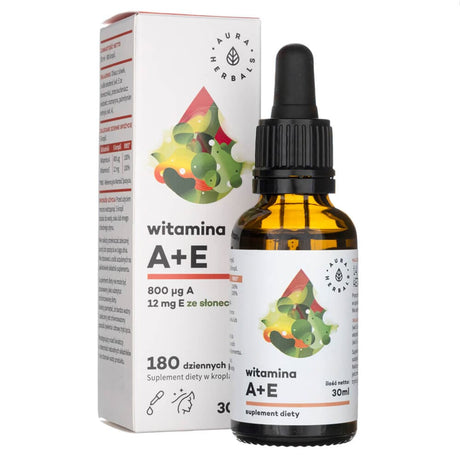


Aura Herbals
Aura Herbals Colladrop - vedel kalakollageen + C-vitamiin - 500 ml
Tavahind €12.89Ühiku hind€25.78 /L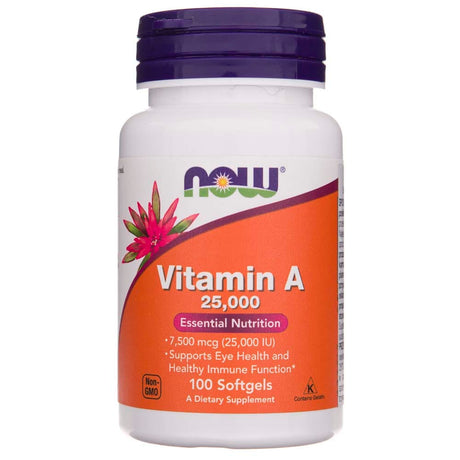


Now Foods
Now Foods A-vitamiin 7500 mcg (25000 RÜ)- 100 pehmekapslid
Tavahind €6.89Ühiku hind€0.07 tükk


Nahka ja ilu toetavate toidulisandite laia valiku leidmiseks, sirvige meie juuste, naha ja küünte kollektsiooni. Need, kes soovivad toetada silmade tervist seestpoolt, võivad tutvuda ka meie silma- ja nägemistooted. Ja paikseks raviks, külastage meie näokosmeetika valikut.
Õige silmakreem teeb nähtava vahe
Nahk teie silmade ümber on teie näol kõige õrnem – ja esimene, mis paljastab teie vanuse, väsimuse, ja elustiili. Õige silmakreemi valimine vastavalt teie nahatüübile, konkreetsetele muredele, ja vanusele, ning selle õige tehnikaga pealekandmine, võib tõeliselt muuta selle piirkonna välimust ja vananemist. Alustage varakult, olge õrn, olge järjekindel, ja toetage protsessi seestpoolt E-vitamiini, A-vitamiini, kollageeni, ja C-vitamiini toidulisanditega.
Peamine järeldus: Silmakreem ei ole valikuline – silmade ümbruse nahk on liiga õhuke ja õrn tavaliste näo niisutajate jaoks. Valige tooted vastavalt oma nahatüübile, muredele (kortsudele, tumedatele ringidele, tursetele), ja vanusele. Kandke kreem peale õrnalt sõrmusega patsutades – ärge kunagi hõõruge. Alusta silmakreemi kasutamist juba varastes kahekümnendates ennetuseks, ja toeta naha struktuuri seestpoolt E-vitamiini, A, ja kollageeniga.
See artikkel on ainult informatiivne ega asenda arsti nõuannet. Terviseprobleemide, raseduse, imetamise või ravimite kasutamise korral pidage nõu arsti või apteekriga. Toidulisandid ei asenda mitmekesist toitumist.


