

Garcinia cambogia – botaanikas tuntud kui Malabari tamarind – on saavutanud tuntuse peamiselt kehakaalu reguleerimise toidulisandina, kuid selline käsitlus alahindab selle potentsiaali. Taime peamine toimeaine, hüdroksütritriinhape (HCA), mõjutab rasva ainevahetust, kolesteroolitasakaalu, veresuhkru reguleerimist, serotoniini taset, ja seedimise tervist selgete ja hästi iseloomustatud mehhanismide kaudu. Siin on, mida uuringud näitavad, ja kuidas seda tõhusalt kasutada.
Mis on Garcinia cambogia?
Garcinia cambogia on igihaljas puu, mis on pärit Indoneesiast ja mida kasvatatakse laialdaselt Kagu-Aasias ja Lääne-Aafrikas. Peamine ravitoimega osa on kuivatatud puuvilja koor – toored puuviljad on selgelt hapu-soolase maitsega ja neid kasutatakse väikestes kogustes kulinaarse vürtsina, kuid kontsentreeritud ekstraktid pakuvad HCA-sisaldust terapeutiliselt olulisel tasemel. Ekstrakt on ka vitamiinide, mineraalide, ja antioksüdantse toimega polüfenoolide allikas.
Ameerika Ühendriikide Toidu- ja Ravimiamet (FDA) on klassifitseerinud garcinia cambogia üldiselt ohutuks (GRAS) (), ning enamik kirjanduses esinevaid kõrvaltoimete teateid on seotud mitme koostisosaga kaalulangetuspreparaatidega, mitte üksinda kasutatava garcinia cambogiaga – see on oluline eristus.
Hüdroksütritriinhape – toime mehhanism
HCA on sidrunhappe derivaat ja garcinia cambogia toime peamine tegur. Selle peamised sihtmärgid on:
- ATP-tsitraatliaasi inhibeerimine – see ensüüm katalüüsib de novo lipogeneesi (olulist etappi, mille käigus süsivesikud ja tärklised muunduvad rasvaks). Seda blokeerides, vähendab HCA kiirust, millega toidust saadud süsivesikud muunduvad kehas ladustatavaks rasvaks
- Termogenees — HCA tõstab veidi põhiainevahetuse temperatuuri, toetades tõhusamat energiakulu
- Kolesterooli reguleerimine — HCA vähendab LDL-i (madala tihedusega lipoproteiini) ja tõstab HDL-i (kõrge tihedusega lipoproteiini), parandades üldist lipiidiprofiili ja aidates kaasa südame-veresoonkonna tervisele
- Veresuhkru taseme reguleerimine — garcinia cambogia võib vähendada insuliini ja leptiini taset, parandades samal ajal insuliinitundlikkust ja glükoositaset — mõjusid, mida teadlased uurivad 2. tüüpi diabeedi ennetamise kontekstis
Houstoni ülikooli uued uuringud on samuti näidanud, et HCA võib toetada teatud neerukivide komponentide lahustumist, kuigi see rakendus vajab täiendavaid kliinilisi uuringuid, enne kui saab järeldusi teha.
Kaalujälgimine: kuidas see praktikas toimib
Garcinia cambogia toetab kaalujälgimist mitme täiendava mehhanismi kaudu, mitte üheainsa mehhanismi kaudu. Lisaks mõjule rasva sünteesile, mõjutab see söögiisu reguleerimist serotoniini kaudu: HCA näib toetavat serotoniini tootmist, ning kõrgem serotoniinitaseme on seotud väiksema toidu tarbimise, paranenud küllastustunde, ja vähem emotsionaalse söömisega. Serotoniin mõjutab ka une kvaliteeti, meeleolu, ja vererõhku — muutes selle mehhanismi oluliseks kaugelt enam kui ainult söögiisu mõjutamisel.
Erinevalt stimulaatoritel põhinevatest kehakaalu reguleerimise toodetest, ei põhjusta garcinia cambogia närvilisust, südame löögisageduse tõusu, ega unehäireid. Toime tekib järk-järgult järjepideva kasutamise korral – seda mõõdetakse tavaliselt nädalates, mitte päevades – ning seda toetab kõige paremini tasakaalustatud toitumine ja regulaarne füüsiline aktiivsus. Tutvuge meie kaalulangetamise toidulisandite valikuga, et näha selle kategooria toodete täielikku valikut.
Seedimise ja soolestiku tervise eelised
Varajased uuringud viitavad sellele, et garcinia cambogia võib avaldada mao kaitsvat mõju – vähendades maohaavandite riski ja piirates seedetrakti sisekesta kahjustusi. Kuigi need uuringud ei ole veel lõplikud, on need kooskõlas taime traditsioonilise kasutamisega seedimise abivahendina selle päritolupiirkondades.
Kuidas Garcinia Cambogiat võtta
Praegused uuringud viitavad sellele, et ekstraktis sisalduv 50–60% HCA kontsentratsioon pakub kõige järjepidevamaid eeliseid. See on olulisem kui päevane kogudoos, mis varieerub sõltuvalt tootjast ja koostisest. Üldiselt soovitatav päevane tarbimisvahemik on 900–2, 800 mg, kuid konkreetse annuse määramisel tuleks lähtuda individuaalsetest teguritest – vanusest, elustiilist, tervislikust seisundist – ning tootja juhiste järgimine on sobiv lähtepunkt.
Garcinia cambogia toidulisandeid on kõige parem võtta 30–60 minutit enne sööki, koos suure klaasi veega. See ajastus optimeerib seedetrakti imendumist enne, kui toidu koostisosad võivad imendumist häirida. Toidulisandit ei tohiks võtta kauem kui 12 nädalat järjest; enne jätkamist soovitatakse 14-päevast pausi.


 5% soodustust
Now Foods
Now Foods Garcinia 1000 mg - 120 tabletti
Soodushind €19.94 Tavahind €20.99Ühiku hind€0.17 tükk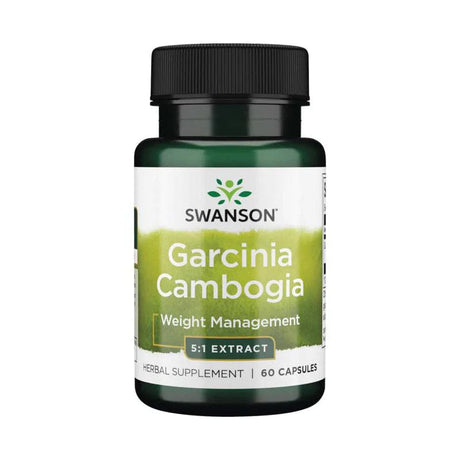
Swanson
Swansong arcinia Cambogia 5:1 ekstrakt 80mg - 60 kapslit
Tavahind €3.19Ühiku hind€0.05 tükk


Täiendavad looduslikud kaalujälgimise toidulisandid
Garcinia cambogia on sageli kõige tõhusam osana laiemast lähenemisest ainevahetuse tervisele. Mitmed teised looduslikud ühendid toimivad täiendavate või sünergiliste mehhanismide kaudu ning nende mõju kehakaalu reguleerimisel on hästi tõestatud:
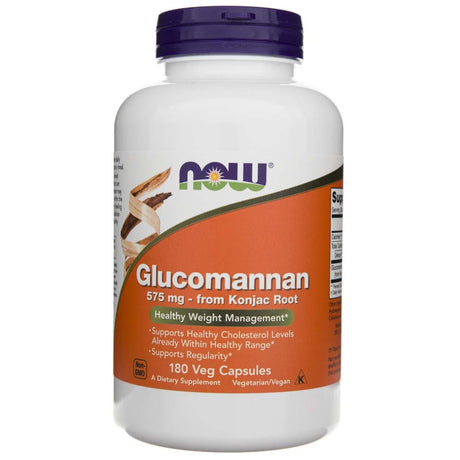
Glükomannaan — konjaku juurest saadav lahustuv toidukiud, mis moodustab maos geeli, aeglustades mao tühjenemist ja suurendades täiskõhutunnet. See on üks väheseid toidulisandeid, mille puhul on EFSA heaks kiitnud väited kaalukaotuse toetamise kohta osana energiapiiranguga toitumiskavast.
Rohelise tee ekstrakt (EGCG) — katekiinid, eriti epigallokatekiingallaat, toetavad termogeneesi ja rasva oksüdatsiooni. Rohelise tee ekstraktil on ka antioksüdantseid ja südame-veresoonkonna tervist toetavaid omadusi, mis teeb sellest laialdaselt kasuliku toidulisandi ka väljaspool kehakaalu juhtimist.
L-karnitiin — transportib pika ahelaga rasvhappeid mitokondritesse energia muundamiseks. Eriti oluline aktiivsetele inimestele, kes soovivad toetada rasva kasutamist treeningu ajal.
CLA (konjugeeritud linoolhape) — looduslikult esinev rasvhape, mis võib aidata vähendada keha rasvamassi, säilitades samal ajal lihasmassi. Kõige enam on seda uuritud koos treeninguga.
Kroom — aitab kaasa makrotoitainete normaalsele ainevahetusele ja normaalse veresuhkru taseme säilitamisele. Kasulik inimestele, kellel on tugev süsivesikute isu. Vaadake meie täielikku rasvapõletajaid ja ainevahetust toetavaid tooteid, et näha kogu valikut.


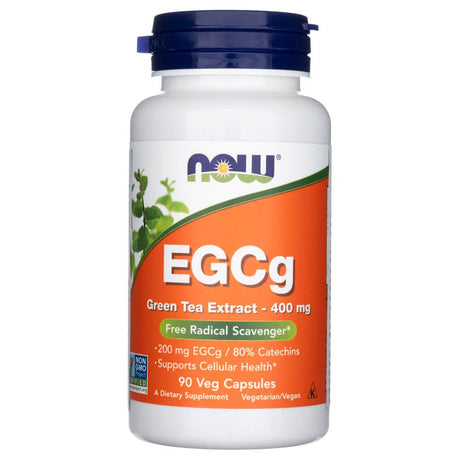


Now Foods
Now Foods EGCg rohelise tee ekstrakt 400 mg - 90 taimekapslit
Tavahind €11.59Ühiku hind€0.13 tükk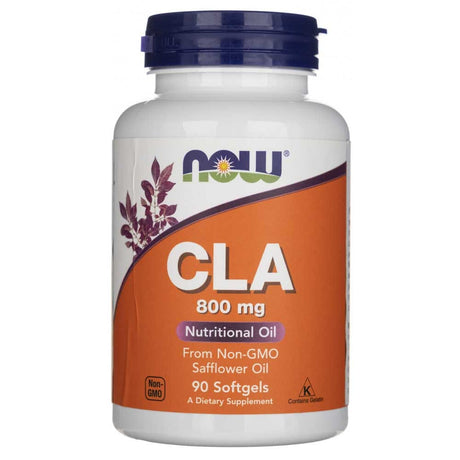


Now Foods
Now Foods CLA (konjugeeritud linoolhape)800 mg - 90 pehmendavat tabletti
Tavahind €17.49Ühiku hind€0.19 tükk


Now Foods
Now Foods Atsetüül-L-karnitiin 500 mg - 50 taimsed kapslid
Tavahind €10.79Ühiku hind€0.22 tükk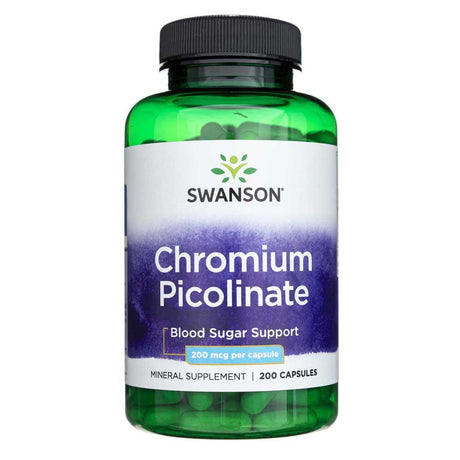


Garcinia cambogia ei ole lühike tee — kuid see on tõeliselt mitmeotstarbeline toidulisand, millel on kindel ohutuse ajalugu ja mitmed toimemehhanismid, mis ulatuvad kaugemale lihtsast rasva blokeerimisest. Kõigile, kes soovivad toetada kaalujälgimist loomulikul viisil, ilma stimulaatoritel põhinevate toodete kõrvaltoimete või piiravate dieetide kompromissideta, pakub see usaldusväärset ja hästi tõestatud võimalust. Kombineerituna asjakohaste elustiili muudatustega ja vajadusel täiendavate toidulisanditega, annab järjepidev kasutamine kogu toidulisandi tsükli jooksul kõige märkimisväärsemad tulemused. Tutvuge Medpaki laiemate kaalulangetamise toodetega, et leida täiendavaid võimalusi.
See artikkel on ainult informatiivne ega asenda arsti nõuannet. Terviseprobleemide, raseduse, imetamise või ravimite kasutamise korral pidage nõu arsti või apteekriga. Toidulisandid ei asenda mitmekesist toitumist.


