

Seleen on mikrogrammides vajalik mikroelement – kuid selle mõju inimese tervisele on kasutatavate kogustega võrreldes ebaproportsionaalselt suur. See on ainus mineraal, mille bioloogiline aktiivsus inimeses sõltub peaaegu täielikult selle inkorporeerumisest teatud valkude klassi: selenoproteiinidesse. Inimese genoom kodeerib 25 selenoproteiini, sealhulgas glutatioonperoksidaase (– olulisi antioksüdantseid ensüüme), –, tioredoksiinreduktaase (, mis osalevad rakkude redoksitasakaalus), ning joodtüroniini deiodinaase (, mis on kilpnäärmehormoonide aktiveerimiseks hädavajalikud). Nende valkude kaudu, mõjutab seleen antioksüdantkaitset, kilpnäärme funktsiooni, immuunsüsteemi töövõimet, ja viljakust — mis teeb sellest mineraali, mida tasub tõeliselt tundma õppida.
Seleeni peamised bioloogilised rollid
Kilpnäärme funktsioon on üks seleeni kliiniliselt olulisemaid rolle. Kilpnäärmes on keha kõigist organitest kõrgeim seleeni kontsentratsioon. Seleenist sõltuvad deiodinaasi ensüümid muudavad prohormooni türoksiini (T4) bioloogiliselt aktiivseks vormiks triiodotüroniiniks (T3) — see muundamine on aluseks iga raku ainevahetusfunktsioonile. Lisaks kaitsevad selenoproteiinid kilpnäärme rakke kilpnäärmehormoonide sünteesi käigus tekkiva vesinikperoksiidi eest. Nii seleeni puudus kui ka, huvitaval kombel, ülemäär on seostatud kilpnäärme häiretega, mistõttu on sobiv seleenitarbimine kilpnäärme tervise seisukohalt eriti oluline.
Antioksüdantne kaitse on seleeni bioloogia teine nurgakivi. Glutatioonperoksidaasi ensüümid (GPx) — mille toimimiseks on vaja seleeni — katalüüsivad vesinikperoksiidi ja lipiidide hüdroperoksiidide, redutseerimist, neutraliseerides mõned kõige reaktiivsemad ja kahjulikumad vabade radikaalide liigid. Seleen toimib selles antioksüdantide võrgustikus sünergistlikult koos C- ja E-vitamiinidega; igaüks toetab teiste tegevust, mistõttu kombineeritud antioksüdantide koostised sisaldavad sageli kõiki kolme. Tutvuge meie seleenitoidulisandite kollektsiooniga, et näha Medpaki kogu valikut.
Immuunsüsteemi funktsiooni toetab otseselt piisav seleenitase. Seleen koguneb immuunrakkudesse — eriti lümfotsüütidesse, makrofaagidesse, ja looduslikesse tapjarakkudesse — ning on vajalik nende paljunemiseks ja aktiivsuse tagamiseks. Uuringud on näidanud, et seleenipuudus kahjustab nii kaasasündinud kui ka adaptiivset immuunvastust, vähendades organismi võimet reageerida viirus- ja bakteriaalsetele väljakutsetele. Piisav seleenitase on seostatud parema vaktsiinivastusega ja tugevama immuunsüsteemi aktiivsuse perioodidel, mil keskkonnastress on suurenenud.
Ka reproduktiivtervis sõltub seleenist, eriti meeste puhul. Seleen on osa selenoproteiini P-st, mis on oluline sperma arengule ja liikuvusele. Piisav seleenitase on seotud parema sperma kvaliteediga, ja uuringutes on seleenipuudust seostatud meeste viljatusega.
Seleenipuuduse tunnused
Tõeline seleenipuudus on Lääne-Euroopa riikides haruldane, kus mulla seleenitase ja toiduvalik tagavad tavaliselt piisava tarbimise. Siiski, on subkliiniline puudus levinum — eriti nende seas, kes järgivad väga piiratud toitumist, kellel on seedetrakti imendumishäired, ja kes elavad piirkondades, kus pinnas on seleenivaene (, sealhulgas osades Kesk- ja Ida-Euroopast).
Madala seleenitaseme näitajad on järgmised:
- Haprad küüned ja suurenenud küünte murdumine
- Seletamatu juuste hõrenemine või suurenenud juuste väljalangemine
- Pidev väsimus ja üldine nõrkus
- Vähendatud immuunvastus ja suurenenud vastuvõtlikkus TiB nakkuste suhtes
- Kilpnäärmehäired — eriti häiritud T4-st T3-ks muundumine, mis võib avalduda hüpotüreoidismile-laadsete sümptomitena, isegi kui kilpnäärme TiB analüüsid on normaalsed
- Lihasnõrkus (märkimisväärse puuduse korral)
- Meeleolumuutused ja kognitiivsed raskused
Seleniumipuuduse vorm – Keshan'i haigus, kardiomüopaatia – on praegu peamiselt piiratud teatud seleenivaegusega piirkondadega Hiinas. Euroopa kontekstis, on olulisemaks mureks funktsionaalne puudulikkus, mis mõjutab antioksüdantide võimet ja kilpnäärme funktsiooni. Meie mineraalide kollektsioon pakub seleeni koos teiste mikroelementidega terviklikuks mikrotoitainete toetuseks.
Seleen ja kilpnäärme autoimmuunsus
Seleeni ja kilpnäärme autoimmuunhaiguste seos väärib erilist tähelepanu, kuna see on üks kliiniliselt kõige olulisemaid uurimisvaldkondi. Mitmed randomiseeritud kontrollitud uuringud on näidanud, et seleenilisand vähendab kilpnäärme peroksidaasi antikehade (TPO-Ab) tiitrit Hashimoto tiroidiidiga patsientidel – mis on Euroopas kõige levinum hüpotüreoidismi põhjus. Pakutud mehhanism on selenoproteiini vahendatud kaitse kilpnäärme folliikulaarrakkude eest autoimmuunse põletikuga seotud oksüdatiivse kahjustuse eest. Kuigi seleenilisand ei ole Hashimoto tõve ravi ja tõendid pikaajaliste tulemuste kohta on veel uurimisel, on see üks väheseid toitumisalaseid sekkumisi, millel on selle haiguse puhul järjepidevad positiivsed uuringuandmed.
Seleeni toiduallikad
Seleeni sisaldus toidus varieerub märkimisväärselt sõltuvalt selle pinnase seleenikontsentratsioonist, milles taimi kasvatatakse või loomi peetakse — mistõttu on toiduallikate andmed piirkondade lõikes väga erinevad. Kõige usaldusväärsemad ja kontsentreeritumad toiduallikad on:
- Brasiilia pähklid – kõige rikkam allikas, kus üks või kaks pähklit võivad katta kogu päevase vajaduse (~70–90 mcg pähkli kohta paljudes proovides). Siiski, seleenisisaldus varieerub märkimisväärselt kasvatuspiirkondade ja üksikute pähklite vahel; väga suuri regulaarseid koguseid tuleks vältida toksilisuse riski tõttu.
- Kala ja mereannid — tuunikala, lõhe, sardiinid, krevettid, ja austrid pakuvad järjepidevalt kõrget seleenisisaldust koos oomega-3 rasvhapete ja muude mikroelementidega
- Siseelundid — neerud ja maks on eriti rikkad; veise- ja sealiha neerud sisaldavad üht kõrgemat seleenitaset võrreldes teiste toiduainetega
- Linnuliha ja munad — usaldusväärsed igapäevased allikad enamiku eurooplaste toitumises
- Veiseliha ja lambaliha — olulised seleeni allikad segatoiduliste toitumises
- Päevalilleseemned ja täisteraviljad — mõistlikud taimsed allikad, kuigi neile on omane taimsetele toitudele tüüpiline mullast sõltuv varieeruvus
Taimetoitlastel ja eriti veganitel on suurem väljakutse täita seleeni vajadust ainult toidu kaudu, eriti Euroopa piirkondades, kus seleeni tase mullas on looduslikult madalam. Toidulisandite kasutamist tasub kaaluda neil, kes järgivad taimset toitumist ja ei saa oma toidusse usaldusväärselt lisada seleenirikkaid loomseid tooteid. Meie immuunsüsteemi toidulisandite kollektsioon sisaldab seleeni kombinatsioonis teiste immuunsüsteemi toetavate toitainetega neile, kes soovivad laiemat immuunsüsteemi tuge.
Seleeni toidulisandid: vormid ja annustamine
Seleeni toidulisandeid on saadaval mitmes erinevas keemilises vormis, millel on oluliselt erinev biosaadavus ja jaotumine kudedes:
- L-selenometioniin — orgaaniline vorm, milles seleen on seotud aminohappega metioniiniga. See on vorm, mida leidub peamiselt toidus ja mida peetakse üldiselt kõige paremini imenduvaks toidulisandivormiks, mille kudedes säilivus on parem kui anorgaanilistel vormidel. See on kliinilistes uuringutes, sealhulgas Hashimoto uuringutes, kõige sagedamini kasutatav vorm,.
- Seleeniga rikastatud pärm — pärmist saadav seleen sisaldab peamiselt selenometioniini koos teiste orgaaniliste seleenühenditega. Hästi imenduv ja laialdaselt kasutatav.
- Naatriumseleniit ja naatriumselenaat — anorgaanilised vormid, mille biosaadavus on veidi madalam, kuid mis on siiski efektiivsed ja kliiniliselt kasutatavad. Mõned uuringud viitavad sellele, et anorgaaniline seleen võib olla eelistatav teatud kontekstides (, nt aktiivse antioksüdantse ensüümi toetamisel), kuna selle ainevahetus on erinev.
- Se-metüülselenotsüsteiin — veel üks orgaaniline vorm, mida leidub looduslikult teatud taimedes (küüslauk, brokoli), uuritud peamiselt vähiuuringute kontekstis, kuna selle ainevahetus erineb selenometioniini omast.
ELi piisav seleenitarbimine on täiskasvanutele 70 mcg/päevas. Enamik toidulisandeid annab 100–200 mcg/päevas, mis jääb enamiku inimeste jaoks ohutu ja tõhusa vahemiku piiresse. ELi talutav ülemine tarbimismäär on 300 mcg/päevas kõigist allikatest kokku.
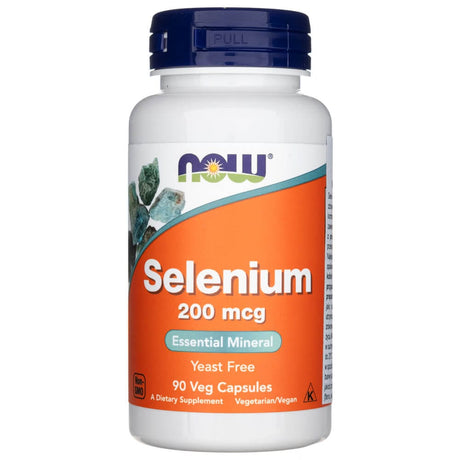


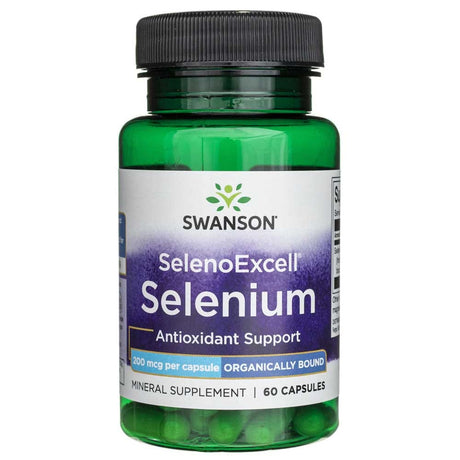


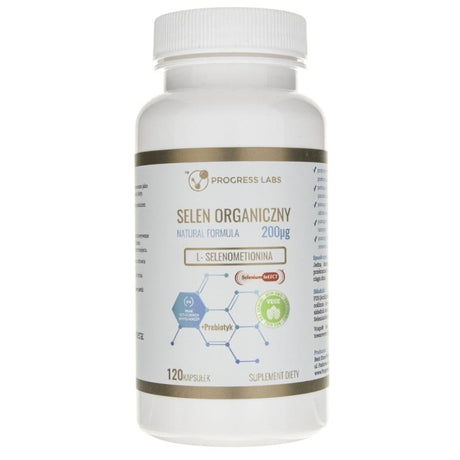
Progress Labs
Progress Labs Orgaaniline seleen 200 mcg - 120 kapslit
Tavahind €7.39Ühiku hind€0.06 tükk


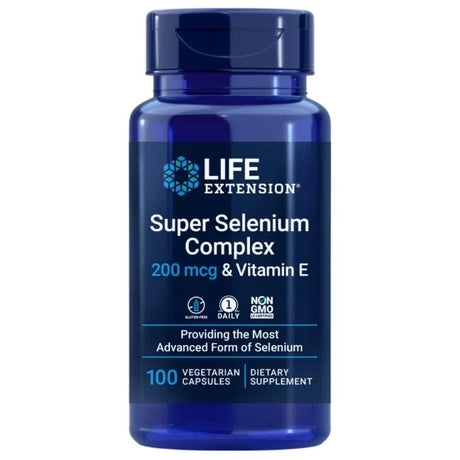

Life Extension
Life Extension Super Selenium Complex 200 mcg & E-vitamiin - 100 taimekapslit
Tavahind €12.39Ühiku hind€0.12 tükk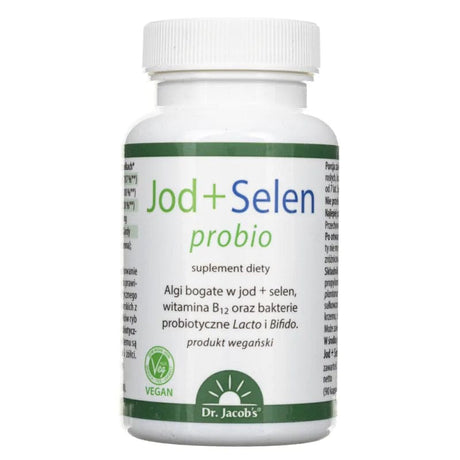


Vitaler's
Bob Snail Õuna ja kirsi triibud ilma lisatud suhkruta - 14 g
Tavahind €6.79Ühiku hind€0.06 tükk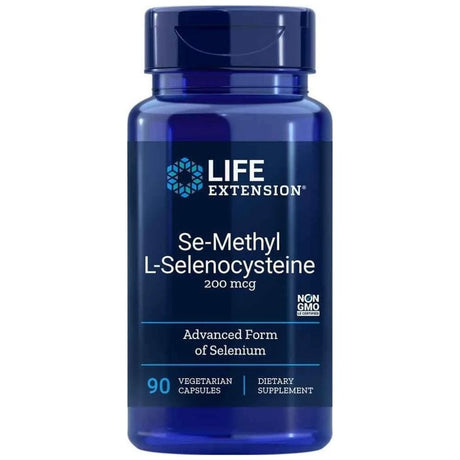
 20% soodustust
Life Extension
Life Extension Se-metüül-L-selenotsüsteiin 200 mcg – 90 kapslit
Soodushind €11.25 Tavahind €14.09Ühiku hind€0.13 tükk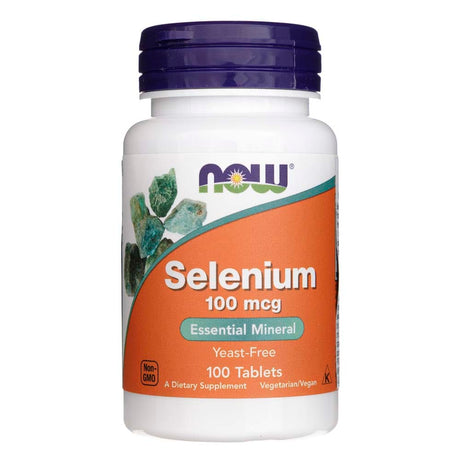


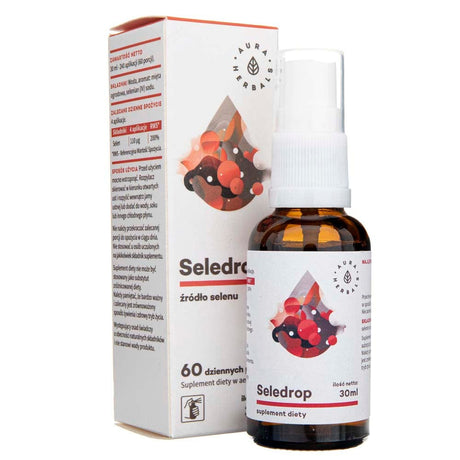


Aura Herbals
Aura Herbals Seledrop - Seleen 110 mcg naatrium (IV)selenaat, aerosool - 30 ml
Tavahind €6.29Ühiku hind€209.67 /L


See artikkel on ainult informatiivne ega asenda arsti nõuannet. Terviseprobleemide, raseduse, imetamise või ravimite kasutamise korral pidage nõu arsti või apteekriga. Toidulisandid ei asenda mitmekesist toitumist.


