

Allergiad kuuluvad Euroopas kõige kiiremini kasvavate terviseprobleemide hulka. Hinnangute kohaselt kannatab praegu üle kolmandiku ELi elanikkonnast vähemalt ühe allergia all, ning selle levimus kasvab jätkuvalt. Olgu allergia põhjuseks õietolm, tolmulestad, lemmikloomade karvad, või toit, on igale allergilise reaktsiooni aluseks olev immuunvastus sama põhimõtteline – ja seda mustrit saab, paljudel juhtudel, toetada ja leevendada sihipäraste toitumislahenduste abil. Käesolev juhend käsitleb allergiate toimimist, sümptomite põhjuseid ja looduslikke toidulisandeid, mille kohta on kõige rohkem tõendeid.
Kuidas allergiad toimivad
Allergia on oma olemuselt ekslik identifitseerimine. Immuunsüsteem tuvastab tavaliselt ohutu aine – õietolmu valgu, tolmulesta osakese, või toidu koostisosa – ohuna, ja käivitab kaitsereaktsiooni. Selle reaktsiooni keskmes on histamiini vabanemine, – signaalmolekul, mis vallandab tuttava sümptomite kogumi: nohu, sügelevad ja pisaravad silmad, aevastamine, nahareaktsioonid, ning raskematel juhtudel, hingamisraskused ja seedehäired.
Miks mõned inimesed on allergilised ja teised mitte, ei ole veel täielikult selge. Geneetika mängib selget rolli, kuid sama teeb ka immuunsüsteemi üldine seisund — seetõttu avaldavad sellised tegurid nagu krooniline stress, halb uni, toitainete puudus, ja soolestiku tervis mõõdetavat mõju allergilise reaktsioonivõimele. See on ka põhjus, miks paljud looduslikud lähenemisviisid allergia ravile keskenduvad immuunsüsteemi modulatsioonile, mitte lihtsalt histamiini blokeerimisele pärast selle vabanemist.
Levinud allergiatüübid
Hooajalised allergiad – mida vallandavad puude, rohu, ja umbrohu õietolm – on kõige levinumad kevadel ja varasuvel. Sümptomid ilmnevad, kui inimene puutub kokku oma spetsiifilise allergeeniga, ning kaovad tavaliselt õietolmuhooaja lõppedes. Tolmuküüdi allergia on aastaringne, kuna tolmuküüdid elavad peaaegu igas kodus ja arenevad hästi soojas, niiskes keskkonnas. Hea ventilatsioon, regulaarne puhastamine, ja allergeenikindlad voodipesukatted on põhilised ravistrateegiad tolmukidele tundlikele inimestele, mida täiendavad immuunsüsteemi toetavad toidulisandid.
Lemmikloomade allergiad — täpsemalt, allergiad loomade karvades, süljes, ja uriinis leiduvate valkude vastu — on samuti aastaringse iseloomuga. Toiduallergiad ja -talumatused moodustavad eraldi kategooria oma mehhanismidega, mis hõlmavad sageli pigem soole immuunsüsteemi kui klassikalist IgE-vahendatud rada. Kõigi nende tüüpide puhul, on allpool kirjeldatud toitumuslikud lähenemisviisid asjakohased toetavate strateegiatena koos arsti soovitatud meditsiinilise raviga.
Looduslikud toidulisandid, mis võivad toetada allergia ravi
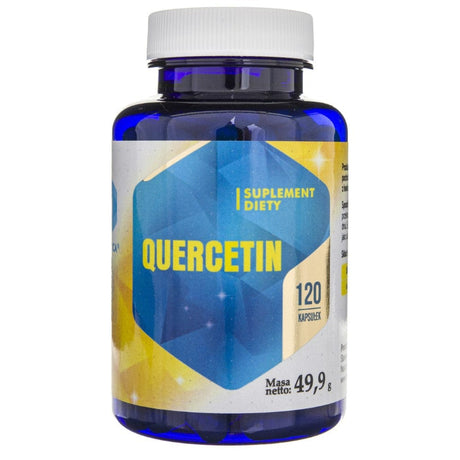
Kvertsetiin
Kvertsetiin on flavonoid, mida leidub looduslikult sibulates, õuntes, kapparites, ja tees, ning on arvatavasti kõige tõhusam looduslik antihistamiiniühend, mis on saadaval toidulisandina. See toimib, stabiliseerides nuumrakkude – histamiini vabastamise eest vastutavate immuunrakkude – membraane, vähendades allergeeniga kokkupuutumisel vabaneva histamiini kogust. See muudab selle eriti kasulikuks ennetava strateegiana: kui seda võtta järjepidevalt nädalatel enne teadaolevat allergiahooaega, võib see märkimisväärselt leevendada sümptomite raskust, kui kokkupuude allergeeniga lõpuks toimub.
Kvertsetiinil on ka iseenesest põletikuvastane toime, mis aitab leevendada kudede põletikku, mis säilitab sümptomeid isegi pärast esialgset histamiinireaktsiooni. Mõned preparaadid kombineerivad seda bromelaiiniga – ananassist saadud seedimisensüümiga –, mis võib parandada kvertsetiini imendumist ja annab omaenda põletikuvastase toime. Tutvuge meie immuunsüsteemi toetavate toidulisanditega, et näha kogu kvertsetiini tootevalikut.
Mustköömneõli (Nigella sativa)
Mustköömneõlil on üks pikemaid dokumenteeritud kasutusaegu traditsioonilises meditsiinis hingamisteede ja allergiliste haiguste raviks. Selle peamine toimeaine, timokinoon, mõjutab mitmeid allergiaga seotud protsesse: see vähendab histamiini vabanemist, pärsib põletikku soodustavate molekulide tootmist, ja võib mõjutada Th1/Th2 immuunsüsteemi tasakaalu, mis on allergilise reaktsiooni aluseks. Mitmed uuringud, milles uuriti spetsiaalselt musta köömneõli mõju hooajalise allergilise nohu korral, on näidanud mõõdetavat nina ummistuse, aevastamise, ja silmasümptomite vähenemist.
Lisaks on mustköömneõlil tunnustatud bronhodilatoorsed omadused – see lõdvestab hingamisteede silelihaseid –, mis muudab selle eriti kasulikuks inimestele, kelle allergilised reaktsioonid hõlmavad rinnusurvet või köhimist. Saadaval on nii õli kui ka kapslitena pakutav seemneekstrakt, kusjuures vedel õli imendub kiiremini ja kapslid pakuvad suuremat mugavust igapäevaseks kasutamiseks.
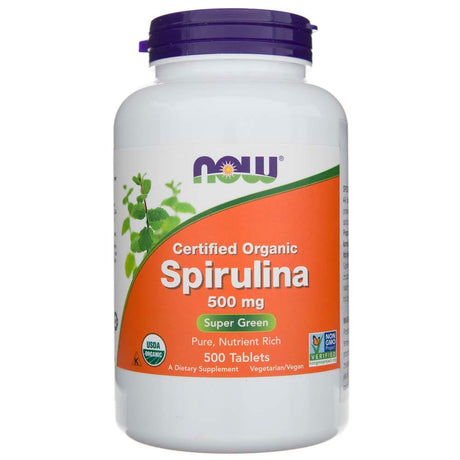
Spirulina
Spirulina, sinine-roheline mikrovetikas, on kogunud märkimisväärse hulga tõendeid just allergilise riniidi kontekstis – see on heinapalaviku ja sellega seotud ninaallergia seisundite tehniline termin. Uuringud viitavad sellele, et regulaarne spirulina tarbimine vähendab ninavoolust, aevastamist, ninakinnisust, ja sügelust võrreldes platseeboga, mille toime on seotud histamiini vabanemise pärssimisega nuumrakkudest ja basofiilidest. Selle mehhanism kattub kvertsetiiniga, kuid hõlmab erinevaid molekulaarseid sihtmärke, mistõttu mõned tervishoiutöötajad soovitavad neid kahte koos kasutada.
Spirulina laiem toiteväärtus – rikkalik valkude, B-vitamiinide, raua, ja antioksüdandi fikotsüaniini poolest – toetab ka üldist immuunsüsteemi tervist ja võib aidata lahendada toitainete puudujääke, mis võivad alandada allergilise reaktsiooni läve.
Colostrum
Colostrum — esimene piim, mida imetajad toodavad pärast sündi, rikas immunoglobuliinide, kasvufaktorite, ja bioaktiivsete peptiidide poolest — on pälvinud märkimisväärset tähelepanu oma immuunsüsteemi mõjutavate omaduste tõttu. Selle tähtsus allergia ravis seisneb peamiselt kahes valdkonnas: selles sisalduvad immunoglobuliinid (, eriti IgA ja IgG), võivad aidata neutraliseerida allergeene enne, kui need vallandavad täieliku immuunvastuse, ning Colostrum-l on hästi dokumenteeritud positiivne mõju soolebarjääri terviklikkusele. Kahjustatud soolebarjääri tunnustatakse üha enam süsteemsete põletikuliste ja allergiliste seisundite tekitava tegurina – nähtus, mida mõnikord nimetatakse „leaky gut” ehk „lekkivaks soolestikuks”. Toetades soole limaskesta, Colostrum võib vähendada süsteemset immuunsüsteemi koormust, mis muudab allergilised reaktsioonid raskemaks.


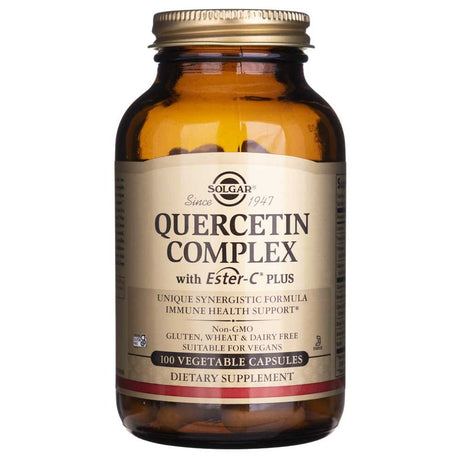


Solgar
Solgar Kvertsetiinikompleks koos Ester-C Plus'iga - 100 taimekapslit
Tavahind €30.39Ühiku hind€0.30 tükk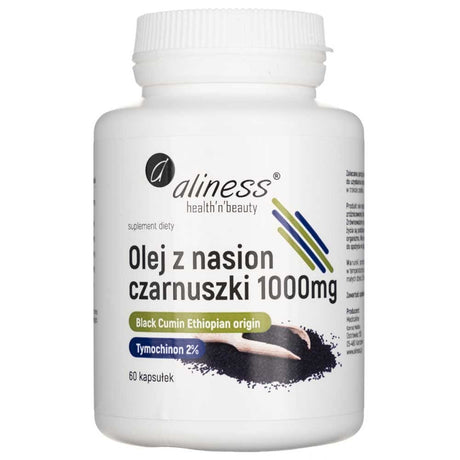




Magneesium
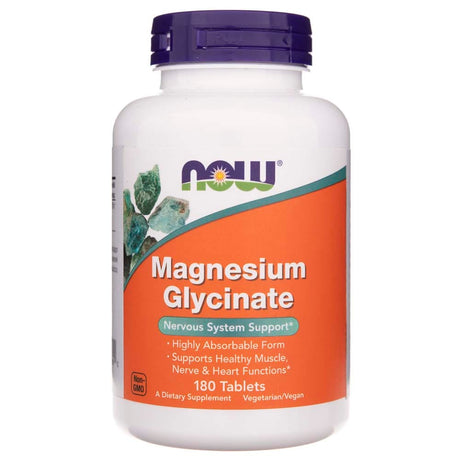
Magneesium osaleb üle 300 ensümaatilises protsessis organismis, ja selle roll immuunsüsteemi reguleerimisel ning põletikulise reaktsiooni puhul on hästi teada. Puudus – mis on levinud kroonilise stressi all kannatavate inimeste, või märkimisväärseid koguseid kofeiini tarbivate inimeste seas – on seotud tugevnenud põletikuliste reaktsioonide ja suurenenud histamiinitundlikkusega. Piisava magneesiumitaseme tagamine võib aidata leevendada allergiliste reaktsioonide intensiivsust ning on eriti oluline allergia nahamanifestatsioonide puhul, kus magneesiumil on dokumenteeritud põletikuvastane toime. Igapäevaseks toidulisandiks eelistatakse üldiselt hästi imenduvaid vorme, nagu magneesiumtsitraat, glütsinaat, ja malaat, odavamate karbonaadi- või oksiidvormide asemel. Tutvuge meie mineraaltoidulisanditega, et näha kogu saadaval olevat valikut.
Kaltsium
Kaltsium mängib allergilistes reaktsioonides vähem intuitiivset, kuid tõeliselt olulist rolli. See mõjutab kapillaaride seinte läbilaskvust — veresooni, mille kaudu immuunrakud ja vedelik liiguvad kudedesse allergilise reaktsiooni ajal — ning piisav kaltsiumitase võib aidata vähendada selle põletikulise lekkimise ulatust. See on üks esimesi mineraale, mida kliinilises praktikas seostatakse allergiavastaste omadustega. Inimesed, kes kahtlustavad, et allergia süveneb, peaksid kaaluma oma kaltsiumitaseme kontrollimist koos muude rutiinsete vereanalüüsidega.


Now Foods
Now Foods Magneesiumtsitraat 400 mg - 120 taimsed kapslid
Tavahind €17.99Ühiku hind€0.15 tükk


Allergilist reaktsioonivõimet suurendavad riskitegurid
Allergia ei ole pelgalt geneetilise eelsoodumuse küsimus — elustiili tegurid mõjutavad tugevalt seda künnist, millest alates immuunsüsteem ülemäära reageerib. Krooniline stress tõstab kortisooli taset, mis häirib immuunsüsteemi signaaliedastust ja suurendab nuumrakkude tundlikkust. Halvasti magamine kahjustab regulatiivseid protsesse, mis hoiavad immuunvastuse proportsionaalsena. Toitainete puudus — eriti magneesiumi, tsingi, D-vitamiini, ja C-vitamiini osas — vähendab keha võimet põletikku reguleerida. Töödeldud toiduainetest rikas ja taimse mitmekesisusega vaene toitumine on seostatud soole mikrobioloogilise mitmekesisuse vähenemisega, mis omakorda korrelatsioonis on allergiliste ja autoimmuunhaiguste suurema esinemissagedusega.
See tähendab, et allergia ravi on kõige tõhusam, kui see keskendub pigem aluseks olevale immuunkeskkonnale, mitte lihtsalt üksikute sümptomite allasurumisele. Järjepidev toidulisandite kasutamine, piisav uni, stressi juhtimine, ja toitumise kvaliteet aitavad kõik aja jooksul vähendada allergiliste episoodide sagedust ja raskust. Laialdasema ülevaate saamiseks kättesaadavatest immuunsüsteemi toetavatest toodetest, vaadake meie hingamisteede toidulisandeid.
See artikkel on ainult informatiivne ega asenda arsti nõuannet. Terviseprobleemide, raseduse, imetamise või ravimite kasutamise korral pidage nõu arsti või apteekriga. Toidulisandid ei asenda mitmekesist toitumist.


