

Nahka koorimine on üks mõjukaimaid samme, mida saate oma nahahooldusrituaali lisada – kuid samas on see ka üks sagedamini valesti kasutatavaid. Õige koorija, mida kasutatakse teie nahatüübile sobiva sagedusega, võib muuta teie naha tekstuuri, tooni, ja sära. Vale koorija – või õige koorija, mida kasutatakse liiga agressiivselt – võib põhjustada püsivat ärritust, kahjustada naha kaitsvat barjääri, ja halvendada just neid probleeme, mida te püüate lahendada. Koorimise põhitüüpide mõistmine ja teadmine, kuidas iga tüüp erinevate nahatüüpidega suhtleb, on oluline lähtepunkt tõeliste, püsivate tulemuste saavutamiseks.
Mida koorimine tegelikult teeb?
Nahk heidab loomulikult surnud pinnarakke iga 28–40 päeva tagant – see protsess aeglustub vanusega ja seda võivad häirida keskkonnastress,, dehüdratsioon, ja teatud nahahaigused. Kui surnud rakud kogunevad pinnale, selle asemel et tõhusalt kooruda, on tulemuseks tuhm, ebaühtlane jume, ummistunud poorid, karune tekstuur ja peale kantud nahahooldustoodete vähenenud imendumine. Koorimine kiirendab seda loomulikku uuenemisprotsessi, puhastades pinnakihti, et paljastada selle all olev värskem ja ühtlasema pigmendiga nahk.
Lisaks naha pinna parandamisele aitab järjepidev ja õige koorimine kaasa hüperpigmentatsiooni kahvatumisele, vähendab peenete joonte nähtavust, puhastab mustade täppide tekkele kalduvaid poore, normaliseerib rasunäärmete tööd ning parandab kõigi hiljem peale kantavate toodete imendumist ja tõhusust — seerumid, niisutajad, ja näoõlid kaasa arvatud. Parimate tulemuste saavutamiseks, uurige meie täielikku valikut näohoolduseks mõeldud happeid, koorijaid, ja seerumeid, et leida oma nahatüübile sobiv toode.
Mehaaniline koorimine: kohesed tulemused, Nõuab ettevaatlikku kasutamist
Mehaaniline (füüsiline) koorimine eemaldab surnud naharakud otsese hõõrdumise teel — kasutades peeneks jahvatatud osakesi, tekstuuriga riidelappe, või silikoonharju, et käsitsi eemaldada pinnakiht. Tulemused on kohe nähtavad: nahk tundub siledam ja näeb välja säravam juba mõne minuti pärast. See teeb mehaanilise koorimise atraktiivseks ja intuitiivseks, kuid nõuab hoolikat tootevalikut ja tehnikat.
Kriitiline tegur on abrasiivsete osakeste olemus. Vanemad koostised, mis kasutavad purustatud pähklikoori, suuri suhkrukristalle, või jämedat soola, võivad tekitada nahapinnale mikro-rebendeid, mis aja jooksul nõrgendavad barjääri ja võivad süvendada põletikku akne-kalduvas või reaktiivses nahas. Kaasaegsed mehaanilised koorijad kasutavad tavaliselt ümarate jojoba-kuulikeste, peene riisikliipulbri, või geelisuspensioonis osakeste abil, mis tagavad tõhusa koorimise märkimisväärselt väiksema pinnatrauma tekitamisega. Füüsilised koorijad sobivad kõige paremini normaalse ja kombineeritud nahale, millel puuduvad aktiivsed aknepursked või põletikud. Rasusele nahale, mis on kalduv ummistumisele, kuid millel puudub põletikuline akne, võivad need olla tõhusad, kui neid kasutada üks kuni kaks korda nädalas. Tundlik,, roosatseale kalduv, või akne-põletikuline nahk peaks mehaanilisi meetodeid täielikult vältima.

Beauty of Joseon
Beauty of Joseon aprikoosilillede geel-koorija -100 ml
Tavahind €10.89Ühiku hind€10.89 /100ml


Medicube
Medicube Zero Pore Pad Mild Exfoliating Pads - 70 tükki
Tavahind €23.89Ühiku hind€0.34 tükk


Keemiline koorimine: Sihtotstarbeline, Nahatüübile spetsiifiline, ja sageli tõhusam
Keemiline koorimine kasutab happeid või ensüüme, et lahustada surnud naharakke kokku hoidvaid sidemeid, võimaldades neil loomulikult maha tulla, mitte neid ära kraapida. Kuna füüsilist hõõrdumist ei toimu, on keemilised koorijad õigesti kasutades üldiselt nahabarjäärile õrnemad — ja sageli tõhusamad konkreetsete probleemide, nagu ebaühtlane pigmentatsioon, mustpead, tuhmus ja peened jooned, lahendamisel. Kolm peamist kategooriat sobivad erinevatele nahatüüpidele ja probleemidele.
AHA (alfa-hüdroksühapped): Nahka heledamaks muutvad ja vananemisvastased
AHA-d — sealhulgas glükoolhape, piimhape, ja mandelhape — on vees lahustuvad happed, mis toimivad naha pinnal, lahustades surnud rakkude vahelist liimi ja stimuleerides rakkude uuenemist. Suhkruroost saadud glükoolhape, on molekulide poolest kõige väiksem ja tungib kõige sügavamale, mis teeb sellest kõige tugevama AHA ja kõige tõhusama peente kortse, päikesekahjustuste, ja naha tuhmuse vähendamisel. Piimhape on õrn ja tõmbab nahka niiskust, mistõttu sobib see paremini kuivale või tundlikule nahale. Mandelhape on oma suurema molekuliga kõige õrnem ja aeglasemalt toimiv AHA — see on eelistatud valik tumedama nahatooni puhul, kuna sellega kaasneb väiksem risk põletikulise hüperpigmentatsiooni tekkeks. AHA-d sobivad ideaalselt kuivale, tuhmile, küpsele ja päikesest kahjustatud nahale. Kuna need suurendavad valgustundlikkust, on AHA-de kasutamisel igapäevane SPF-i kasutamine hädavajalik.
BHA (beeta-hüdroksühape): Akne ja pooride spetsialist
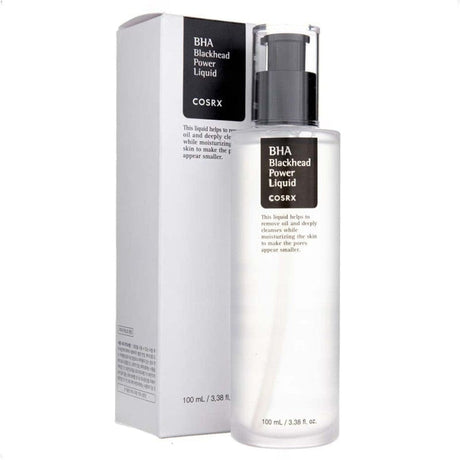
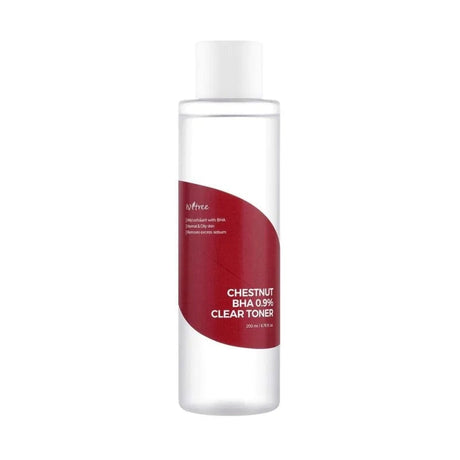
BHA — peamine näide on salitsüülhape — on õlis lahustuv, mis tähendab, et see suudab tungida pooride seinte sisse, mitte lihtsalt toimida nahapinnal. See muudab selle erakordselt tõhusaks mustade ja valgete näpistuste põhjustavate rasukorkide lahustamisel, vähendades laienenud pooride nähtavust, ning avaldades akne-kalduvale nahale otsest põletikuvastast ja TiB antibakteriaalset mõju. Rasusele, kombineeritud ja akne tekkele kalduvale nahale on BHA tavaliselt kõige tõhusam koorija. Enamik nahatüüpe talub seda hästi ja seda võib kasutada igapäevaselt madalates kontsentratsioonides (0,5–1%) või kaks kuni kolm korda nädalas kõrgemates kontsentratsioonides (2%). Erinevalt AHA-dest, põhjustab see sobiva koostise korral, tundlikul nahal harvemini ärritust ning on ohutu kasutamiseks raseduse ajal paikseks, maha loputatava kontsentratsioonina.




PHA (polühüdroksühapped): Õrn valik tundlikule nahale
PHA-d — glükonolaktoon ja laktohape Bionic on kõige levinumad — on struktuurilt sarnased AHA-dega, kuid neil on suuremad molekulid, mis tungivad nahka aeglasemalt ja pindmisemalt. Selle tulemuseks on õrnem kooriv toime, mis põhjustab märkimisväärselt vähem ärritust või tundlikkuse reaktsioone. PHA-del on ka antioksüdant- ja niisutavad omadused, mis tähendab, et need toetavad naha kaitsvat barjääri isegi koorimise ajal — see on ebatavaline kombinatsioon, mis teeb neist kõige sobivama keemilise koorija reaktiivsele, roosatseale kalduvale, tundlikule või kahjustatud nahale. Need on ohutud kasutamiseks ka raseduse ajal. Mitme happe koostisega tooted, mis ühendavad AHA-d, BHA-d ja PHA-d tasakaalustatud kontsentratsioonides, pakuvad laiaulatuslikumat lähenemist, mis sobib rasusele, kombineeritud ja normaalse nahale, mis vajab ühest tootest mitmekülgset koorimist.
Ensüümkoorijad: universaalne valik
Ensüümkoorijad — saadakse tavaliselt papaiast (papaiinist), ananassist (bromelaiinist), või kõrvitsast — toimivad valikuliselt lagundades surnud naharakkude keratiinvalku, mõjutamata allpool asuvaid elusrakke. See muudab nende toime väga spetsiifiliseks ja need on ühed õrnimad koorimisviisid. Kuna ensüümkoorijad ei tugine pH-sõltuvale happelisele toimele, ei põhjusta nad praktiliselt mingit kipitust, punetust ega valgustundlikkust ning neid taluvad üldiselt hästi isegi kõige tundlikumad nahatüübid, sealhulgas roosatseale kalduv ja aknehaigestunud nahk. Neid peetakse ohutuks kasutamiseks ka raseduse ajal. Selle eest on tulemused järkjärgulisemad – ensüümkoorijad sobivad suurepäraselt peene ja ühtlase naha säilitamiseks aja jooksul, mitte aga kiirete muutuste saavutamiseks. Täiendavaid puhastus- ja koorimistooteid leiate meie näopuhastuskollektsioonist https://medpak.shop/collections/facial-cleansing.
Õige koorija valimine teie nahatüübile
Normaalne nahk talub kõiki koorimisviise ja talub tavaliselt nädalast mehaanilist koorimist koos regulaarse madala kontsentratsiooniga keemilise koorimisega. Rasune, ummistunud, ja akne tekkele kalduv nahk saab kõige rohkem kasu BHA-st — ideaalis igapäevasest madala kontsentratsiooniga salitsüülhapet sisaldavast tootest või mitme happe sisaldavast toonikust, mida kasutatakse mitu korda nädalas. Kuiv ja küps nahk reageerib kõige paremini AHA-dele, eriti piimhappele keskmise kontsentratsiooniga, mida kasutatakse kaks kuni kolm korda nädalas, koos järjepideva SPF-i kasutamisega päevases rutiinis. Tundlikule, reaktiivsele või roosatseale kalduvale nahale sobivad ensüüm- või PHA-koorijad, vältige kõiki mehaanilisi meetodeid ja testige iga uut toodet hoolikalt nahal. Kombineeritud nahale pakub mitme happe sisaldav toonik, mida kantakse ainult õlisematele piirkondadele, sihipärast toimet, ilma et kuivemaid piirkondi liigselt kooritaks. Tutvuge kogu https://medpak.shop/collections/facial-cosmetics näokosmeetika valikuga, et leida sobivad tooted vastavalt nahatüübile ja probleemidele.


Some by Mi
Some by Mi AHA BHA PHA 30 Days Miracle Toner - 150 ml
Tavahind €14.09Ühiku hind€9.39 /100ml
 5% soodustust
Anua
Anua BHA 2% õrn kooriv toonik - 150 ml
Soodushind €22.28 Tavahind €23.49Ühiku hind€14.85 /100ml


See artikkel on ainult informatiivne ega asenda arsti nõuannet. Terviseprobleemide, raseduse, imetamise või ravimite kasutamise korral pidage nõu arsti või apteekriga. Toidulisandid ei asenda mitmekesist toitumist.


