

Enamik inimesi kasutab hambapastat kaks korda päevas, ilma et selle üle eriti järele mõtleks – kuid turul on saadaval kümneid erinevaid tooteid, mis erinevad oluliselt koostise,, otstarbe, ja ohutusprofiili poolest. Kas valite hambapastat endale, või lapsele, või otsite looduslikku alternatiivi tavapärastele toodetele, aitab teadmine, mis teie hambapastas tegelikult sisaldub, teha tõeliselt paremat valikut.
Kuidas hambapasta tegelikult toimib
Iga hambapasta tuumaks on selle abrasiivne süsteem – osakesed, mis füüsiliselt puhastavad hamba pinda, eemaldades hambakattu, baktereid, ja värvimuutusi. Tavalised abrasiivid on hüdraatitud ränidioksiid, kaltsiumkarbonaat, ja söögisooda. Liiga peenikesed puhastavad halvasti; liiga jämedad võivad aja jooksul hambaemaili kahjustada. Seetõttu on RDA (suhteline dentiini abrasiivsus) indeks oluline valgendava või tundlikele hammastele mõeldud hambapasta valimisel.
Enamik hambapastasid sisaldab ka vahutavaid aineid (, tavaliselt SLS-i (naatriumlaurüülsulfaat)), mis aitavad koostist hammastel jaotada ja eemaldada hambakattu mehaaniliselt. Fluoriid, kõige laialdasemalt kasutatav toimeaine, toimib varajases staadiumis oleva hambakatte kahjustuse remineraliseerimise ja kaariese eest vastutavate hapete tootvaid baktereid pärssiva toimega. Mõnedesse koostistesse lisatakse antimikroobseid aineid, nagu triklosaan või kloorheksidiin, täiendava TiB bakteritsiidse toime saavutamiseks. Nende ainete looduslikud alternatiivid hõlmavad teepuuõli, neem, tüümiani, ja muid taimseid koostisosi, millel on dokumenteeritud antimikroobne toime.
Valgendavad hambapastad: mida nad suudavad ja mida mitte
Hambavärvuse muutumisel on kaks peamist põhjust: välised värvimuutused (, mis on põhjustatud kohvist, teest, veinist, tubakast) ja sisemised värvimuutused (, mis on seotud geneetiliste, vanusegavõi seotud teatud ravimitega). Valgendavad hambapastad suudavad esimest kategooriat tõhusalt lahendada; nad ei suuda muuta teie hammaste loomulikku värvi.
Kaubanduslikes pastades sisalduvad valgendavad toimeained hõlmavad vesinikperoksiidi, naatriumvesinikkarbonaati, valget kaoliini, ja taimset päritolu ensüüme, mis lahustavad orgaanilisi ladestusi. Need toimivad pinnal olevate plekkide keemilise oksüdeerimise või füüsilise hõõrdumise teel. Tulemused on järkjärgulised – oodata on pigem järkjärgulist heledamaks muutumist mitme nädala jooksul järjepideva kasutamise korral kui kohest muutust.
Aktiveeritud söega hambapastad on viimastel aastatel pälvinud palju tähelepanu. Söe omaduseks on adsorptsioon – see seob endaga pigmendimolekule ja pinnal olevaid ladestusi ning eemaldab need harjamise ajal. Söega tooted võivad olla efektiivsed väliste plekkide puhul ja jätta hambad märgatavalt puhtamaks. Kuna süsi on aga ka suhteliselt abrasiivne, ei soovitata seda üldiselt igapäevaseks kasutamiseks, kui teil on tundlikud hambad või õhuke hambakude; enamikule kasutajatele sobib paremini 2–3 korda nädalas.
Looduslikud ja taimsed hambapastad
Kasvav huvi puhta koostisega isikliku hügieeni toodete vastu on toonud kaasa märkimisväärseid uuendusi looduslike hambapastade valdkonnas. Need tooted asendavad sünteetilised antimikroobsed ained tavaliselt taimsete alternatiividega — neem, nelk, basiilik, salvei, aloe vera, ja ayurvedilised taimsed segud — ning kasutavad pehme abrasiivina ränidioksiidi või kaltsiumkarbonaati. Paljud neist on SLS-vabad, mis on oluline inimestele, kellel tekivad tavaliste hambapastade kasutamisel suuõõne haavandid või pehmete kudede ärritus.
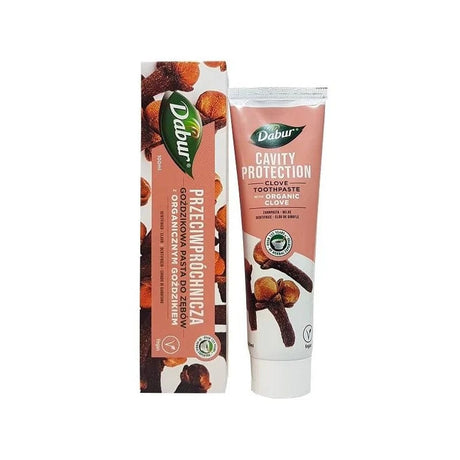
Looduslikud hambapastad võivad olla tõeliselt tõhusad. Nelk sisaldab eugenooli, mis on tõestatud antibakteriaalne ja valuvaigistav ühend, mida kasutatakse professionaalses hambaravis. Neemil on dokumenteeritud antimikroobne toime igemepõletikku põhjustavate bakterite vastu. Himalaya, Dabur, Apeiron, ja Urtekram pakuvad kõik hästi koostatud taimseid hambapastasid, millel on tugevad tulemused. Tutvuge meie täieliku valikuga hambapastade kollektsioonis.
Hambapasta lastele: mida otsida
Laste hambapastades on esikohal ohutus ja maitse. Kõige olulisemad aspektid on fluoriidisisaldus ja tarbetute ärritajate puudumine. Alla 3-aastastele lastele, soovitatakse tavaliselt fluoriidivabasid tooteid, et vältida fluoroosi riski pastat alla neelamisel — väikesed lapsed ei oska veel usaldusväärselt sülitada. Alates 3. eluaastast, on standardiks madala fluoriidisisaldusega lastehambapastad (500–1, 000 ppm).
Laste tundlikule suuõõne limaskestale on eelistatavad looduslikud koostisosad, mis ei sisalda kunstlikke magusaineid, värvaineid, ega SLS-i. Maitsestatud variandid – maasikas, tutti-frutti, või mahe piparmünt – parandavad ravisoostumust ja võivad muuta kaks korda päevas hambaid pesemise tegevuseks, mida lapsed aktiivselt ootavad. Suhkruvaba koostis on tingimusteta: kasutatav magusaine peaks olema ksilitool (, mis pärsib aktiivselt kaariese tekitavaid baktereid), mitte suhkrud või kunstlikud magusained.
Fluoriidivabad hambapastad: kas need on piisavad?
Fluoriidivabad hambapastad on õigustatud valik täiskasvanutele, kes eelistavad fluoriidi vältida – olgu see siis tundlikkuse tõttu, looduslike koostiste eelistamise tõttu, või teistest allikatest saadava spetsiifilise fluoriiditoidu tõttu. Need võivad olla tõhusad hammaste puhastamisel ja igemete tervise toetamisel, kui need on valmistatud sobivate antimikroobsete taimsete koostisosadega. Peamine nõue on järjepidev ja põhjalik harjamistehnika, kuna fluoriidi puudumine tähendab, et varajase hambakatte kahjustuse korral puudub keemiline remineraliseerimise turvavõrk. Imikute puhul on fluoriidivaba hambapasta vaikimisi soovitatav.


Ben&Anna
Ben&Anna valgendav hambapasta tundlikele hammastele Salvei ja astelpaju - 100 ml
Tavahind €10.69Ühiku hind€10.69 /100ml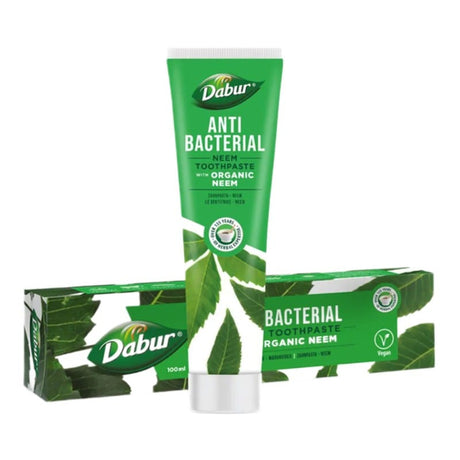


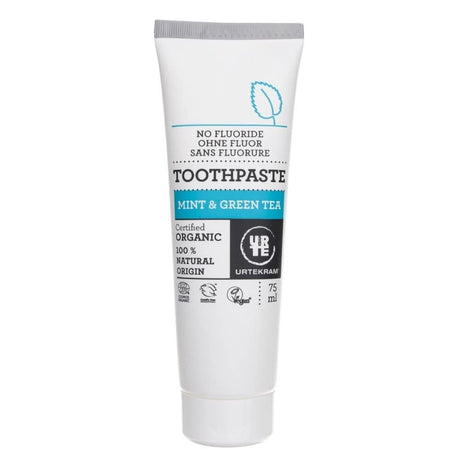

Urtekram
Urtekram Fluoriidivaba hambapasta piparmünt ja roheline tee - 75 ml
Tavahind €4.59Ühiku hind€61.20 /L


Suuhügieen – rohkem kui lihtsalt hambapasta
Hambapasta on üks osa suu tervisest, mitte kogu pilt. Harjamistehnika on tähtsam kui toote valik — õrn, ja põhjalik kõigi pindade puhastamine täis kahe minuti jooksul on väärtuslikum kui kõige arenenum valgendav koostis, mida kasutatakse hooletult. Hamba vahede puhastamine (hambaniidiga, hambavaheharjadega, või veehambaniidiga) jõuab piirkondadesse, kuhu hambaharja harjased ei ulatu. Suuvee on kasulik lisand sihipäraseks TiB bakteritevastase või põletikuvastase toimega, eriti neile, kellel on kalduvus igemepõletikule või halvale hingeõhule. Tutvuge meie suuhügieenikollektsiooniga, et leida kogu täiendavate toodete valik.
See artikkel on ainult informatiivne ega asenda arsti nõuannet. Terviseprobleemide, raseduse, imetamise või ravimite kasutamise korral pidage nõu arsti või apteekriga. Toidulisandid ei asenda mitmekesist toitumist.


