

Leida üht toidulisandit, mis toetaks võrdselt nii üldist tervist, kui ka parandaks füüsilist võimekust, ning aitaks sportlastel oma eesmärke saavutada, ei ole kerge ülesanne. See väljakutse on eriti aktuaalne kulturistide ja jõusportlaste jaoks, kes kasutavad sageli aineid, mis koormavad maksa märkimisväärselt. Ornitiin — vähemtuntud aminohape, millel on märkimisväärne hulk omadusi — võib olla vastuseks. Alates maksa detoksikatsioonist ja ammoniaagi eemaldamisest kuni lihaste taastumise Ecover ja stressi vähendamiseni, mängib ornitiin vaikselt olulist rolli keha parima toimimise tagamisel.
Mis on ornitiin
L-ornitiin on mitteproteogeenne aminohape, mis tähendab, et seda ei kasutata otseselt valkude ehitamiseks, kuid see mängib olulist rolli ainevahetusprotsessides — eelkõige uureatsüklis. Selles tsüklis, aitab ornitiin muuta mürgist ammoniaaki uureaks, mida keha saab seejärel ohutult uriiniga eritada. See protsess toimub peamiselt maksas, mis rõhutab ornitiini keskset tähtsust organismi loomulikes detoksikatsiooniteedes. Ornitiini toodetakse organismis L-arginiini muundamise kõrvalsaadusena ensüümi arginaasi toimel. Selle ainevahetussaaduste hulka kuuluvad L-arginiin, polüamiinid, ja proliin — mis kõik on olulised mitmesuguste füsioloogiliste funktsioonide jaoks. Kuigi ornitiini ei pruugita tunnustada nii laialdaselt kui aminohappeid nagu leutsiin või glutamiin, on ornitiin sama oluline ainevahetuse tasakaalu säilitamiseks ja keha toetamiseks stressiolukorras.
Ornitiini looduslikud toiduallikad
Ornitiini saab mitmesugustest igapäevastest toiduainetest, mis võimaldab paljudel inimestel säilitada piisava taseme ilma toidulisanditeta. L-ornitiini rikkalikud toiduallikad on loomsed valgud — eriti liha, kala, piimatooted, ja munad. Need toidud pakuvad ühe portsjoni kohta kõige suuremat kontsentratsiooni seda aminohapet.
Taimset toitumist järgivatele inimestele, leidub ornitiini ka sellistes toiduainetes nagu kaer, sojaoad, kookospähkel, maapähklid, ja nisu. Kuigi taimsetes allikates leiduvad kogused on tavaliselt väiksemad kui loomsetes toodetes, võib mitmekesine ja hästi planeeritud toitumine siiski oluliselt kaasa aidata ornitiini tarbimisele. Sellest hoolimata leiavad suurema vajadusega inimesed – näiteks sportlased või maksaprobleemidega inimesed – sageli, et toidulisand on usaldusväärsem ja kontsentreeritum allikas.
Ornitiini omadused ja toimemehhanism
Ornitiin on üks kolmest aminohapetest, mis osalevad otseselt uureatsüklis, koos L-arginiini ja L-tsitrulliiniga. Selle peamine ülesanne on katalüüsida kõrges kontsentratsioonis mürgise ammoniaagi muundumist uureaks, et seda saaks ohutult eritada. See teeb ornitiini asendamatuks keha võimes hallata lämmastikujäätmeid tõhusalt.
Lisaks uureatsüklile, osaleb ornitiin valkude sünteesis, toetab kudede regenereerumist, ja aitab kaasa polüamiinide tootmisele – ühenditele, mis on olulised rakkude kasvu ja jagunemise jaoks. Uued uuringud viitavad ka selle potentsiaalsele rollile une kvaliteedi parandamisel ja väsimuse näitajate vähendamisel, mis laiendab selle tähtsust kaugemale sporditoitumisest.
Ornitüüni toidulisandi peamised eelised
Maksa detoksikatsioon ja toetamine
Ornitüüni kõige paremini dokumenteeritud eelis on selle roll maksa funktsiooni toetamisel ja detoksikatsioonis. Kiirendades ammoniaagi muutumist uureaks uureatsüklis, aitab ornitiin maksal töödelda ja eemaldada üht oma kõige keerulisemat ainevahetusjääki. See omadus teeb selle eriti väärtuslikuks inimestele, kelle maks on suurema koormuse all – olgu see siis intensiivsete treeningkavade, toitumisfaktorite, või olemasolevate terviseprobleemide tõttu.
Kliinilises keskkonnas, kasutatakse ornitiini (sageli L-ornitiin-L-aspartaadi) kujul maksatserebraalpatoloogia ja kahjustatud maksafunktsiooniga patsientide toetamiseks. Sportlastele – eriti kulturistidele, kes võivad kasutada toidulisandeid või aineid, mis koormavad maksa – pakub ornitiin looduslikku viisi selle elutähtsa elundi puhastamisvõime toetamiseks. Need, kes otsivad laiemat maksa ja keha puhastamise toetust, võivad uurida ka meie detoksikatsiooni- ja puhastuskollektsiooni.
Sportlikud tulemused ja lihaste taastumine Ecover
Ornitin on sportlaste seas saavutanud tugeva maine tänu oma võimele toetada lihaste taastumist ja vähendada treeningujärgset väsimust. Aitades eemaldada ammoniaaki – ainevahetuse kõrvalsaadust, mis koguneb intensiivse füüsilise tegevuse ajal ja soodustab väsimust –, võib ornitiin võimaldada paremat vastupidavust ja kiiremat taastumist treeningute vahel.
Lisaks, stimuleerib ornitiin glutamiini sünteesi ja toetab valkude sünteesi, mis mõlemad on olulised lihaste kasvu ja taastumise jaoks. Uuringud viitavad sellele, et ornitiini kombineerimine L-arginiiniga võib suurendada lämmastikoksiidi tootmist, parandades potentsiaalselt verevoolu ja toitainete transporti töötavatesse lihastesse. See teeb ornitiinist populaarse valiku laiemas sporditoitumise kategoorias.
Stressi vähendamine ja une kvaliteet
Vähem tuntud, kuid üha enam hinnatud ornitiini eelis on selle potentsiaalne mõju närvisüsteemile. Uuringud viitavad sellele, et ornitiini lisamine võib aidata alandada kortisooli – keha peamise stressihormooni – taset, mis võib aidata kaasa suuremale rahulolule ja parandada stressitaluvust. Ornitiini võtmine enne magamaminekut on seostatud ka parema une kvaliteedi ja efektiivsusega, mis teeb sellest huvitava valiku neile, kellel on raskusi puhkamise saavutamisega pärast intensiivset füüsilist või vaimset pingutust.
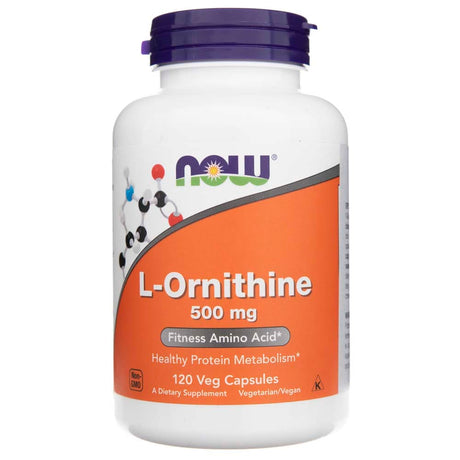


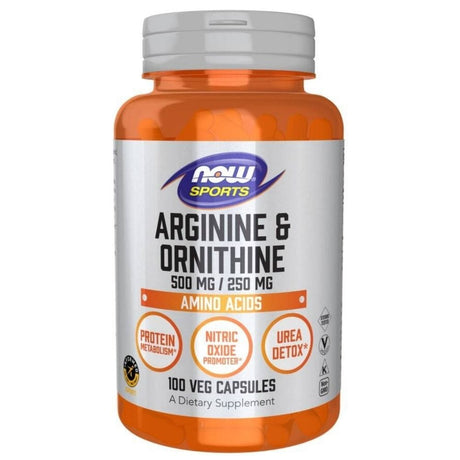


Now Foods
Now Foods Arginiin ja ornitiin - 100 kapslit - 100 kapslit
Tavahind €15.39Ühiku hind€0.13 tükk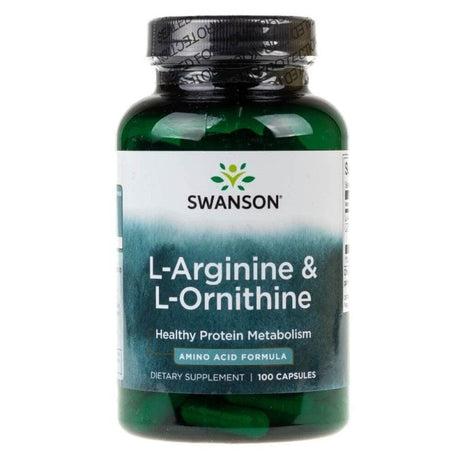


Now Foods
Now Foods Tri-Amino (L-arginiin, L-ornitiin, L-lüsiin)- 120 kapslit.
Tavahind €18.49Ühiku hind€0.15 tükk


Annustamine ja toidulisandite vormid
Ornitüüni toidulisandeid on saadaval mitmes mugavas vormis, sealhulgas kapslid, tabletid, ja pulbrid. Kõige levinum toidulisandi vorm on L-ornitiini vesinikkloriid (L-ornitiini HCl), samas kui L-ornitiini L-aspartaati (LOLA) kasutatakse kliinilises praktikas maksa toetamiseks sagedamini.
Tavalised toidulisandina kasutatavad annused on vahemikus 500 mg kuni 3 g päevas, sõltuvalt kasutusotstarbest. Sportlased võtavad ornitiini sageli enne treeningut või enne magamaminekut, et toetada r Ecover y ja une kvaliteeti. Maksatoetuse eesmärgil, võib arsti järelevalve all kasutada suuremaid annuseid. Nagu iga aminohappe toidulisandi puhul, on soovitatav alustada väiksema annusega ja konsulteerida tervishoiutöötajaga — eriti kui teil on eelnevaid terviseprobleeme või võtate retseptiravimeid.
Kõrvaltoimed ja ettevaatusabinõud
Ornitiini talutakse üldiselt hästi, kui seda võetakse soovitatud annustes. Siiski võib, liigne tarbimine põhjustada seedehäireid, sealhulgas:
- iiveldus ja oksendamine — kõige sagedamini teatatud kõrvaltoimed, eriti suuremate annuste korral
- Kõhulahtisus ja puhitus — mõnel inimesel võib esineda seedetrakti ülitundlikkust
- Kõhuvalu — tavaliselt seotud ornitiini võtmisega tühja kõhuga
- Allergilised nahareaktsioonid — haruldased, kuid võimalikud tundlikel isikutel
Ornitüüni lisatoidulisandit ei soovitata järgmistele rühmadele ilma eelneva arstiga konsulteerimiseta:
- Neerupuudulikkusega isikud — kahjustatud neerud ei pruugi täiendavat lämmastikukoormust tõhusalt töödelda
- Rasedad ja imetavad naised — ohutus ei ole piisavalt kindlaks tehtud
- Aminohapete ainevahetushäiretega inimesed — ornitiin võib mõjutada olemasolevaid ainevahetuse tasakaaluhäireid
- Lapsed ja noorukid — ainult arstliku järelevalve all ja asjakohaste testide abil
Ornitüüni ja teiste toidulisandite või ravimite vahel ei ole dokumenteeritud olulisi koostoimeid, mistõttu on seda üldiselt ohutu kombineerida teiste toodetega oma tervisekavas. Siiski, on alati mõistlik teavitada oma tervishoiutöötajat kõigist toidulisanditest, mida võtate.
Ornitine ja täiendavad toidulisandid
Ornitine toimib eriti hästi koos teiste uureatsüklis ja lämmastiku ainevahetuses osalevate aminohapetega. L-arginiin on kõige levinum kombinatsioon – need kaks aminohapet toimivad sünergiliselt, toetades uureatsüklit, ning võivad suurendada lämmastikoksiidi tootmist, parandades seeläbi vereringet. L-tsitrulliin on veel üks suurepärane täiendus, kuna see muundub neerudes arginiiniks, toetades tsüklit veelgi.
Neile, kes keskenduvad maksa tervisele, võib ornitiini kombineerimine piimohakiga, artišoki ekstraktiga, või B-vitamiinidega pakkuda terviklikumat lähenemist selle olulise elundi toetamisele. Sportlastele võib kasuks tulla ornitiini kombineerimine teiste L-arginiini toidulisanditega, et parandada treeningueelset ja r Ecover y toetust.


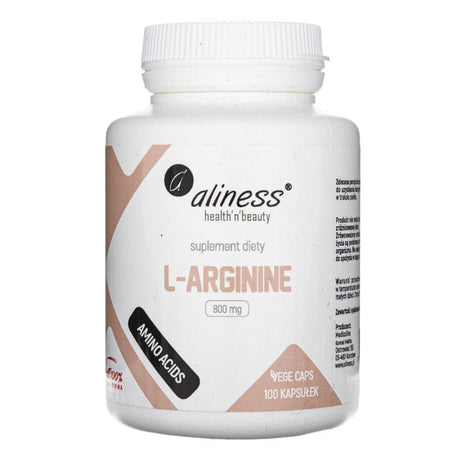


Aliness
Aliness Maksa regenereerimise kompleks - 90 taimekapslit
Tavahind €21.79Ühiku hind€0.24 tükk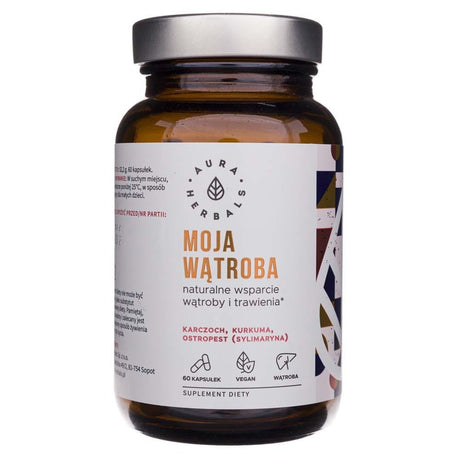


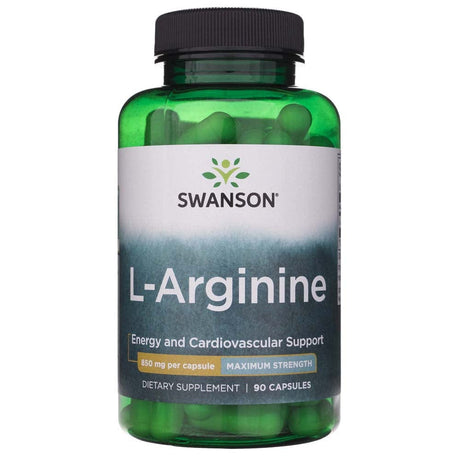


Swanson
Swanson L-arginiin - maksimaalne tugevus 850 mg - 90 kapslit
Tavahind €8.79Ühiku hind€0.10 tükk


Peamine järeldus: Ornitin on mitmekülgne aminohape, mis ühendab sporditulemusi ja sisemist tervist. Tänu oma võimele toetada maksa detoksikatsiooni, vähendada treeninguga seotud väsimust, soodustada lihaste taastumist Ecover y, ja aidata kaasa paremale unele, on see ainulaadselt mitmekülgne toidulisand. Olgu te sportlane, kes soovib optimeerida taastumist, või keegi, kes otsib looduslikku toetust maksale, ornitiin väärib lähemat uurimist osana teie igapäevasest heaolurutiinist.
See artikkel on ainult informatiivne ega asenda arsti nõuannet. Terviseprobleemide, raseduse, imetamise või ravimite kasutamise korral pidage nõu arsti või apteekriga. Toidulisandid ei asenda mitmekesist toitumist.


