

Punast ristikku peetakse laialdaselt üheks olulisemaks ravimtaimeks naiste heaolu tagamisel. Ja selleks on hea põhjus – seda tavalist niidutaimet on traditsiooniliselt kasutatud naiste toetamiseks elu kõige keerulisemate etappide ajal,, sealhulgas menopausi ajal. Looduslikult esinevate isoflavoonide poolest rikas punane ristik võib pakkuda tavapärastele hormonaalsetele lähenemisviisidele õrna taimset alternatiivi. Kuid selle kasulikkus ei piirdu ainult naistega – ka mehed saavad ära kasutada seda, mida see märkimisväärne ravimtaim pakkuda suudab.
Mis on punane ristik
Punane ristik (Trifolium pratense) on mitmeaastane õistaim, mida leidub tavaliselt niitudel, parkides, ja rohumaadel kogu Euroopas ja Aasias. See kasvab hästi, vajab õitsemiseks väga vähe, ja toodab iseloomulikke roosa-punaseid õisi, mis on taime kõige väärtuslikum osa nii traditsioonilises kui ka kaasaegses taimravis.
Punase ristikheina õitel on muljetavaldavalt rikkalik toiteväärtus. Need sisaldavad märkimisväärses koguses vitamiine A, B, C, E, ja P, koos oluliste mineraalidega, sealhulgas kaltsium, kaalium, magneesium, raud, seleen kroomi ja fosforit. Punane ristik sisaldab ka antotsüaniine ja fenoolhappeid, samuti väiksemaid koguseid eeterlikke õlisid ja tanniine. Siiski, on teadlaste huvi äratanud just selle isoflavoonide sisaldus — taimsed ühendid, mis avaldavad organismis kerget östrogeenilaadset toimet. Just see omadus teeb punasest ristikust nii hinnatud taime naiste heaolu jaoks, eriti menopausi ajal ja selle ümbruses.
Punane ristik ja menopausi toetamine
Punase ristikuga seotud kõige tuntum traditsiooniline kasutusviis on looduslik toetus menopausi ajal. Punase ristikheina õites leiduvad isoflavoonid toimivad sarnaselt keha enda östrogeenidega, kuid nende mõju on märkimisväärselt õrn. Seetõttu pöörduvad paljud naised menopausi ülemineku ajal punase ristikuga kui taimse abivahendiga – see võib aidata leevendada ebamugavustunnet ilma tavapäraste hormoonravimitega seotud kõrvalmõjudeta.
Traditsiooniline kasutamine ja varajased uuringud viitavad sellele, et punane ristik võib mitmel viisil aidata menopausi ajal heaolu toetada:
- Kuumahoodude ja liigse higistamise
- sageduse vähenemine Parem une kvaliteet ja närvilisuse
- Parem meeleolu ja keskendumisvõime
- Liigeste ja peavalu leevendamine
- Südame-veresoonkonna toetamine — aitab kaasa südame normaalsele toimimisele
- Intimne heaolu — toetab loomulikku niiskustasakaalu
Neile, kes on huvitatud täiendavatest looduslikest lähenemisviisidest rahuliku une saavutamiseks menopausi ajal, pakuvad meie une toetavad toidulisandid mitmeid täiendavaid võimalusi, mis sobivad hästi kokku taimsete strateegiatega.
Punase ristikheina muud traditsioonilised kasutusviisid
Hingamis- ja seedetrakti heaolu
Lisaks menopausi toetamisele, on punasel ristikheinal pikk traditsiooniline kasutusaeg hingamisteede heaolu toetamiseks. Selle looduslikud köhimist soodustavad ja spasmidevastased omadused on teinud sellest rahvameditsiinis populaarse valiku ülemiste hingamisteede toetamiseks hooajaliste probleemide ajal. Taimi hinnatakse traditsiooniliselt ka selle positiivse mõju tõttu seedimisele — see võib aidata stimuleerida maksa ja sapipõie tööd, toetada tervet söögiisu, ja aidata kaasa seedimise korrapärasusele.
Naha tervis ja detoksikatsioon
Traditsioonilises taimravis, hinnatakse punast ristikku selle toniseerivate ja puhastavate omaduste poolest. Seda on kasutatud õrna sisemise puhastajana, mis toetab keha loomulikke detoksikatsiooniprotsesse. Aitades kaasa tervislikule verepuhastusele, võib punane ristik toetada ka puhtamat, ja tervemalt näivat jume. Traditsiooniliselt, on seda kasutatud nii sisemiselt teena kui ka väliselt kompressina ärritunud või ebamugava naha puhul. Kui naha heaolu on teie jaoks prioriteet, uurige meie juuste, naha ja küünte toidulisandite valikut, et saada täiendavat looduslikku tuge.
Südame-veresoonkonna toetamine
Punases ristikus sisalduvad isoflavoonid võivad samuti aidata kaasa südame-veresoonkonna heaolule. Mõned traditsioonilised allikad viitavad sellele, et need taimeühendid võivad toetada veresoonte elastsust ja aidata kaasa tervislikule vereringele. See teeb punasest ristikust huvitava taime mitte ainult menopausis olevatele naistele, vaid kõigile, kes soovivad oma südame tervist looduslikult toetada.
Kuidas punast ristikku kasutada
Punast ristikku on saadaval mitmes mugavas vormis, alates kapslitest ja ekstraktidest kuni kuivatatud õiteni, millest saab teed keeta. Igal vormil on oma eelised, ja parim valik sõltub sageli isiklikest eelistustest ja elustiilist.
Punase ristikutee (Tõmmis)
Klassikalise punase ristikutee valmistamiseks, leota ühte supilusikatäit kuivatatud punase ristikute õisi klaasis keeva veega. Laske sel 30–40 minutit tõmmata, ja seejärel kurnake. Seda tõmmist võib nautida kuni kaks korda päevas. Punase ristikuteed soovitatakse eriti üle 40-aastastele naistele, kes otsivad looduslikku tuge menopausi ülemineku ajal.
Punase ristikuga keetmine
Tugevama preparaadi saamiseks, lisage 1,5 supilusikatäit hakitud punase ristikuga ürti poolele liitrile keevale veele ja laske kaane all, umbes 15 minutit kergelt podiseda. Laske keetmisel enne kasutamist jahtuda. Seda valmistist võib võtta pool klaasi kolm korda päevas enne sööki, et toetada hingamis- ja seedimismugavust. Seda võib kasutada ka välispidiselt suu ja kõri loputamiseks, või ärritunud naha kompressina.
Kapslid ja ekstraktid
Neile, kes eelistavad standardiseeritumat ja mugavamat lähenemist, on punase ristikuga toidulisandid kapsli- või vedela ekstrakti kujul suurepärane valik. Need tooted sisaldavad tavaliselt kindlat kogust isoflavoone ühe annuse kohta, mis muudab ühtlase tarbimise lihtsamaks. Sirvige meie valikut taimsetest toidulisanditest, et leida endale sobivaim vorm.
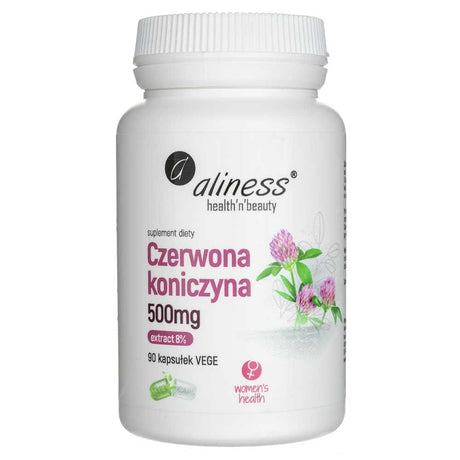


Aliness
Aliness Punase ristiku ekstrakt 8% 500 mg - 90 taimekapslit
Tavahind €12.69Ühiku hind€0.14 tükk




 10% soodustust
Nature's Answer
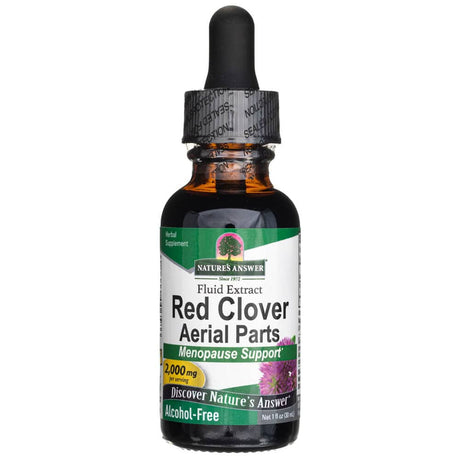
Nature's Answer Punase ristikheina aerosoola osad, vedel ekstrakt, Alkoholivaba 2000 mg - 30 ml
Soodushind €13.42 Tavahind €14.99Ühiku hind€4.47 /10ml


Ohutus, Kõrvaltoimed, ja vastunäidustused
Punast ristikku peetakse üldiselt ohutuks, kui seda tarbitakse osana tavalisest toidust. Siiski, kui seda võetakse terapeutilistel eesmärkidel täiendavates kogustes, tuleb järgida teatud ettevaatusabinõusid. Kõige olulisemad vastunäidustused on järgmised:
- Rasedus — punast ristikku ei tohi raseduse ajal võtta selle fütoöstrogeense toime tõttu
- Hormonide tasakaalustamatused — östrogeenitundliku seisundiga isikud peaksid enne kasutamist konsulteerima tervishoiutöötajaga
- Verevedeldavad ravimid — punane ristik võib vähendada vere hüübimist, seega ei tohi seda kombineerida antikoagulantravimitega
Võimalikud kõrvaltoimed, eriti suuremate annuste korral, võivad hõlmata vere hüübimisvõime vähenemist, pikendatud verejooksu, ja harvadel juhtudel, muutusi emaka limaskestas. Sel põhjusel, on alati soovitatav järgida annustamisjuhiseid ja konsulteerida tervishoiutöötajaga enne toidulisandi kasutamise alustamist.
Peamine järeldus: Punane ristik on mitmekülgne ja aegade jooksul tunnustatud ravimtaim, millel on rikkalik isoflavoonide, vitamiinide, ja mineraalide profiil. Traditsiooniliselt hinnatud loodusliku abimehena menopausi ajal, võib see toetada ka südame-veresoonkonna tervist, naha heaolu, ja hingamisteede mugavust. Olgu see siis rahustava teena või standardiseeritud toidulisandina, punane ristik on väärtuslik lisand igasse looduslikku tervisekavasse — konsulteerige kindlasti oma tervishoiutöötajaga, kui teil on mingeid terviseprobleeme.
See artikkel on ainult informatiivne ega asenda arsti nõuannet. Terviseprobleemide, raseduse, imetamise või ravimite kasutamise korral pidage nõu arsti või apteekriga. Toidulisandid ei asenda mitmekesist toitumist.


