

Kui astute sisse mõnda hästi varustatud tervisetoodete poodi, näete seal rida tumeda klaasiga pudeleid, mille etikettidel on kirjas „külmpressitud” ja „rafineerimata” õlid. Need mõisted on loodusliku toidu kultuuris muutunud kvaliteedi märgiks – kuid mitte igaüks ei tea täpselt, mida need tähendavad, või miks see eristus tervise seisukohalt oluline on. Käesolev juhend selgitab, mida külmpressimine tegelikult tähendab, kuidas see erineb rafineerimisest, ning milliseid külmpressitud õlisid tasub proovida ja millistel eesmärkidel.
Mida tähendab külmpressitud?
Külmpressimine on mehaaniline ekstraheerimismeetod, mille puhul õli pressitakse seemnetest, pähklitest, või puuviljadest surve abil — ilma kuumuse või keemiliste lahustite lisamiseta. Praktikas tekib pressimisprotsessi hõõrdumise tagajärjel paratamatult mõningast soojust, mistõttu määratletakse ELi määrustes „külmpressitud” õlidena neid, mis on toodetud temperatuuril, mis ei ületa 27 °C, kuigi paljud tootjad peavad parimaks tavaks hoida temperatuuri alla 40–50 °C. See madalatemperatuuriline protsess säilitab õlis kõik rasvhapped, rasvlahustuvad vitamiinid, antioksüdandid, ja muud kuumustundlikud taimeühendid, mis muidu laguneksid.
Seevastu, toodetakse enamik massiturule suunatud taimeõlisid palju kõrgemal temperatuuril – ekstraheerimise ajal sageli üle 160 °C – ning seejärel rafineeritakse neid ligi 300 °C juures, et neutraliseerida värv, lõhn, ja vabad rasvhapped. Tulemuseks on stabiilne, neutraalse maitsega õli, millel on pikem säilivusaeg, kuid mis on kaotanud suurema osa oma algsest toiteväärtuslikust mitmekesisusest.
Külmpressitud vs rafineerimata: Ei ole sama asi
Neid kahte terminit kasutatakse turunduses sageli sünonüümidena, kuid need kirjeldavad õli töötlemise erinevaid aspekte ega ole sünonüümid.
Külmpressitud viitab ekstraheerimismeetodile – täpsemalt soojuse puudumisele pressimise ajal. Külmpressitud õli võib hiljem siiski rafineerida (pleegitada, desodoreerida, filtreerida), et pikendada selle säilivusaega ja ühtlustada välimust.
Rafineerimata (mida kirjeldatakse ka kui „toorõli”, „toorõli”, või „neitsiõli”) viitab õlidele, mis ei ole läbinud ekstraheerimisjärgset keemilist või kuumtöötlust. Rafineerimata õlid säilitavad oma loomuliku värvi, aroomi, maitse, ja kogu oma bioaktiivsete ühendite spektri – sealhulgas vitamiinid, fütosteroolid, klorofüllid, ja antioksüdandid.
Toitaineliselt kõige täiuslikumad õlid on need, mis on nii külmpressitud kui ka rafineerimata. Need on tooted, mida etikettidel kirjeldatakse kui „külmpressitud, rafineerimata” või „külmpressitud, puhastamata”. Nende säilivusaeg on lühem kui rafineeritud alternatiividel ja neid tuleb hoida hoolikalt — kuid need pakuvad milliliitri kohta oluliselt suuremat toiteväärtust.
Mida sisaldavad külmpressitud rafineerimata õlid
Konkreetne toiteväärtus sõltub lähte taimest, kuid külmpressitud rafineerimata õlid säilitavad üldiselt:
- Asendamatuid rasvhappeid (EFA-sid) — eriti oomega-3 (ALA) ja oomega-6 (linoolhape, GLA mõnedes õlides), mida keha ise sünteesida ei suuda
- E-vitamiin (tokoferoolid ja tokotrienoolid) — rasvlahustuvad antioksüdandid, mis kaitsevad rakumembraane ja aitavad kaasa õli enda stabiilsusele
- Fütosteroolid — taimsed ühendid, mis aitavad säilitada normaalset kolesteroolitaset veres
- Karotenoidid ja klorofüllid — vastutavad paljude rafineerimata õlide iseloomuliku värvi eest ja pakuvad täiendavat antioksüdantset toimet
- Lignaanid ja muud taimsed polüfenoolid — varieeruvad allika järgi, ning neil on dokumenteeritud antioksüdantsed ja põletikuvastased omadused
Rafineeritud õlides need komponendid puuduvad või on olemas väga vähestes kogustes. E-vitamiini sisaldus on eriti oluline — see toimib nii tervist toetava toitaine kui ka õli loodusliku säilitusainena, aeglustades oksüdatsiooni ja pikendades säilivusaega viisil, mis on toitumisalase kasu seisukohalt kasulikum kui pelgalt kosmeetiline.
Juhend peamiste külmpressitud õlide ja nende kasutusviiside kohta
Linaseemneõli — Omega-3-rasvhapete liider
Külmpressitud linaseemneõli (sisaldab 50–60% alfa-linoleenhapet (ALA) — see on kõrgeim omega-3-rasvhapete sisaldus kõigi tavaliselt kättesaadavate toiduõlide seas. See on Budwigi toitumiskava aluseks ja toetab normaalset kolesteroolitaset veres, kui seda kasutatakse küllastunud rasvade asemel. Kasutage külma, salatikastmena või toidulisandina (1–2 supilusikatäit päevas). Ei sobi kuumutamiseks. Meie toiduõlide ja äädikate kollektsioon sisaldab mitmeid linaseemneõli valikuid.
Kanepiõli — tasakaalustatud oomega-rasvhapete profiil
Külmpressitud kanepiseemneõli pakub toitumisalase seisukohast soodsat rasvhapete suhet — umbes 1:3 oomega-3 ja oomega-6, millele lisandub GLA. Sellel on mahe, kergelt pähklimaitse ja see sobib hästi salatikastmetesse, teraviljatoitudesse, ja kastmetesse. Seda kasutatakse ka paikselt kuiva või tundliku naha hooldamiseks.
Mustköömneõli — Timoquinon ja immuunsüsteemi toetamine
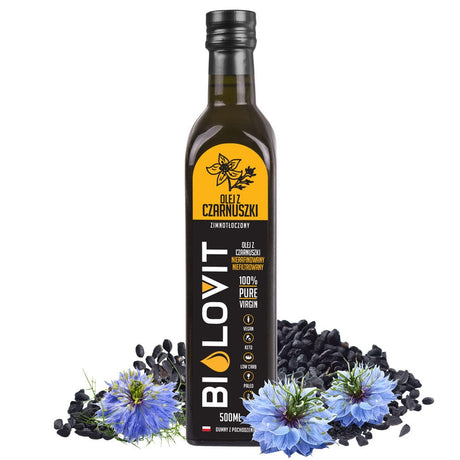
Külmpressitud mustköömneõli (Nigella sativa) eristub oma timoquinonisisalduse poolest — see on tugev antioksüdant ja põletikuvastane ühend, mida on uuritud immuunsüsteemi modulatsiooni ja allergia toetamise seisukohalt. Tugev, piprane maitse. Kasutada väikestes kogustes (1–3 teelusikatäit päevas), külmalt.
Ohakas (Piimohakas) Õli – maks ja nahk
Külmpressitud ohakaõli on rikas linoolhappe ja taimesteroolide, poolest, millel on traditsiooniliselt dokumenteeritud rakendused maksa toetamiseks ja kuiva naha hooldamiseks. Sellel on mahe ja neutraalne maitse, mis sobib hästi salatikastmetesse ja valmistoitud roogadesse, kui seda lisada lõpus.
Õhtuõli — GLA hormonaalse tasakaalu saavutamiseks
Õhtuõli on üks väheseid taimseid allikaid, millest saadakse gamma-linoleenhapet (GLA), mis on põletikuvastaste prostaglandiinide otsene eelühend. See on eriti oluline naistele, kes tegelevad PMS-i, menopausi sümptomite, ja nahahaigustega, nagu ekseem.
Kõrvitsaseemneõli — tsinkirikas ja sügava maitsega
Külmpressitud kõrvitsaseemneõlil on iseloomulik tumeroheline värv, rikkalik röstitud maitse, ning märkimisväärne tsingi- ja E-vitamiini sisaldus. Kesk-Euroopa rahvameditsiinis seostatakse seda traditsiooniliselt eesnäärme ja kuseteede tervisega. Sobib suurepäraselt piserdamiseks suppide, salatite, või maitsestamata jogurti peale — kunagi ei tohi kuumutada.
Avokaadoõli — Kõrge suitsupunkt (ja külmpressitud kvaliteet)
Külmpressitud avokaadoõli on selles kategoorias olevate õlide seas ebatavaline, kuna selle kõrge oleiinhappe (ja oomega-9) sisaldus annab sellele suhteliselt kõrge suitsupunkti — seda saab kasutada nii õrnaks küpsetamiseks kui ka toiduna. Selle E-vitamiini ja luteiini sisaldus toetab naha ja silmade tervist.
Seesamiõli — antioksüdantiderikas idamaade põhitoiduaine
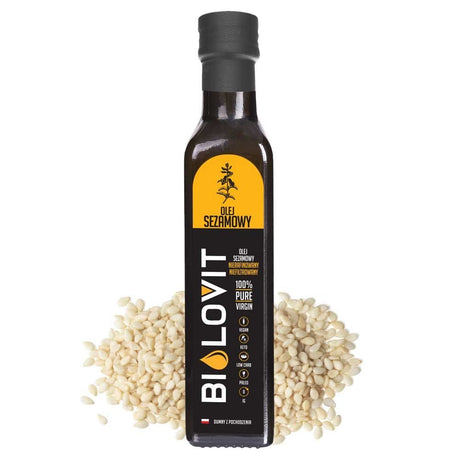
Külmpressitud seesamiõli sisaldab sesamooli ja sesamiini — lignaane, millel on dokumenteeritud antioksüdantne toime. Sellel on iseloomulik soe, pähklimaitse ja see on Aasia köögi põhitoiduaine. See talub mõõdukat kuumust paremini kui enamik omega-3-rikkaid õlisid.
Kurgiõli — kõrgeim GLA-allikas
Kurgiõli sisaldab kõige kõrgemat GLA-kontsentratsiooni kõigist tavaliselt kättesaadavatest taimeõlidest — tavaliselt 20–25%, umbes kaks korda rohkem kui õhtuõli. See teeb selle eriti sobivaks nahapõletike ja hormoonide reguleerimise puhul, kasutatakse sageli koos õhtuõliõliga tugevama GLA-lisandi saamiseks.
Astelpajuõli — kontsentreeritud ja karotenoididerikas
Külmpressitud astelpajuõli on oma kõrge beetakaroteeni- ja karotenoidisisalduse tõttu intensiivselt oranž. Seda kasutatakse väikestes kogustes (paar tilka päevas) paikselt või sissevõtmiseks, peamiselt naha tervise ja limaskestade toetamiseks. Tänu kontsentratsioonile piisab sellest vähe.
Medpaki soovitatavad külmpressitud õlid
Meil on lai valik külmpressitud, rafineerimata taimeõlisid usaldusväärsetelt Euroopa tootjatelt — sealhulgas Olvita, Bilovit, Wellbear, ja Skoczylas. Siin on läbilõige meie sortimendist, mis hõlmab käesolevas artiklis kirjeldatud õlisid:


Olvita
Olvita Külmpressitud kõrvitsaseemneõli puhastamata - 250 ml
Tavahind €14.29Ühiku hind€57.16 /L






Olvita
Olvita Külmpressitud viinamarjaseemneõli puhastamata - 250 ml
Tavahind €11.59Ühiku hind€46.36 /L


Külmpressitud õlide kasutamine — praktilised reeglid
Külmpressitud õlide põhireegel on lihtne: mida rohkem omega-3-rasvhappeid õli sisaldab, seda vähem kuumust see talub. Õlid, milles on palju polü UNS küllastunud rasvhappeid — linaseemneõli, kanepiõli, mustaseemneõli, õhtuõli, kurgiõli — ei tohi kunagi kuumutada, kuna kõrged temperatuurid tekitavad kiiresti kahjulikke oksüdatsioonisaadusi ja hävitavad nende toimeained. Neid õlisid tohib kasutada ainult külmalt: salatikastmetes, toitude viimistlemisel, toores toidus või toidulisanditena.
Õlid, milles on suurem osakaal küllastumata rasvhappeid UNS (avokaado, seesam, kameliina, rapsi) taluvad mõõdukat kuumust paremini, kuigi külm-pressitud versioone on siiski kõige parem kasutada toorelt või madalal temperatuuril, et säilitada nende antioksüdandid. Kõrgel temperatuuril toiduvalmistamiseks on sobivamad rafineeritud õlid kõrge suitsupunktiga — või tahked rasvad nagu kookosõli või ghee.
Igapäevase rutiinina, ühe või kahe külmpressitud õli lisamine oma toitumisse katab laia toitumisaluse: kõrge ALA-sisaldusega õli, nagu linaseemneõli omega-3, jaoks, ja GLA-d sisaldav õli, nagu õhtuõli või kurgiõli, prostaglandiinide sünteesi toetamiseks. Erinevate õlide vahelduv kasutamine tagab rasvhapete profiili ja fütokemikaalide sisalduse mitmekesisuse.
See artikkel on ainult informatiivne ega asenda arsti nõuannet. Terviseprobleemide, raseduse, imetamise või ravimite kasutamise korral pidage nõu arsti või apteekriga. Toidulisandid ei asenda mitmekesist toitumist.


