

Õhtuõli täidab looduslike tervisetoodete valdkonnas oma kindla niši. See pole küll peavoolu terviseteemalistes vestlustes kõige populaarsem õli, kuid naiste seas, kes on selle mõjuga tuttavad, on sellel oma pühendunud austajaskond. Selle atraktiivsus peitub spetsiifilises rasvhappes, mida enamikes tavalistes toiduõlides harva leidub: gamma-linoleenhape (GLA), mis on prostaglandiinide eelühend, millel on keskne roll põletiku reguleerimisel ja hormonaalses tasakaalus. Siin on põhjalik ülevaade sellest, mida õhtuõli sisaldab, kes sellest kõige enam kasu saab, ja kuidas seda tõhusalt kasutada.
Kust pärineb õhtuõli
Õhtuõli (Oenothera biennis) on kaheaastane õistaim, mis on algselt pärit Põhja-Ameerikast, kuid on nüüdseks naturaliseerunud kogu Euroopas ja suuremas osas maailmas. Selle nimi viitab selle kollaste õite iseloomulikule omadusele avaneda õhtul. Taime seemned sisaldavad õli, millel on ebatavaline rasvhapete koostis – selle GLA-sisaldus, mis moodustab tavaliselt 8–10% kogu rasvhapetest, eristab seda enamikust taimeõlidest. Kvaliteetset õhtuõli toodetakse seemnete külmpressimise teel ilma kuumuse või keemiliste lahustite kasutamiseta, säilitades sellega kogu bioaktiivsete ühendite spektri. Nagu kõikide polüküllastunud rasvhapetega rikkad külmpressitud õlid, tuleks seda hoida pimedas, suletud anumates eemal kuumusest ja kasutada etiketil märgitud tähtaja jooksul.
Mis õhtuõli sisaldab
Õhtuõli rasvhapete koostis on selle kliiniliselt kõige olulisem omadus. Õli on rikas:
- linoolhappe (LA, omega-6) poolest — tavaliselt 70–75% kogurasvhapetest; rakumembraani struktuuri ja naha barjäärifunktsiooni jaoks vajalik asendamatu rasvhape
- gamma-linoleenhape (GLA, omega-6) — ligikaudu 8–10%; peamine bioaktiivne ühend, otsene eelkäija seeria-1 põletikuvastastele prostaglandiinidele (PGE1) rada
- Oleiinhape (omega-9) — vähemtähtis komponent, mis tagab täiendava lipiidide stabiilsuse
- E-vitamiin (tokoferoolid) — pakub antioksüdantkaitset nii õlile endale kui ka rakkudele, kuhu see on inkorporeeritud
- Fütosteroolid — taimsed ühendid, mis on seotud normaalse kolesteroolitasakaaluga
GLA-sisaldus on see, mis eristab õhtuõli tavalistest omega-6 toiduallikatest. Enamik inimesi tarbib taimeõlidest piisavalt linoolhapet, kuid keha võime muundada linoolhapet GLA-ks delta-6-desaturaasi ensüümi abil on sageli häiritud — vananemise, stressi, küllastunud või transrasvade suure tarbimise, tsingi või B6-vitamiini puuduse, või aluseks olevate terviseprobleemide tõttu. GLA-ga täiendamine möödub otseselt sellest muundamise pudelikaelast, mis on enamiku õli terapeutiliste rakenduste aluseks.
Naiste tervis: peamised rakendused
PMS ja menstruaalne heaolu
GLA, prostaglandiinide, ja hormonaalse regulatsiooni vaheline seos on aluseks õhtuõli traditsioonilisele kasutamisele premenstruaalse sündroomi puhul. PGE1 prostaglandiinid – mille otsene eelkäija on GLA – aitavad reguleerida silelihaste kokkutõmbumist, põletikulisi signaale, ja vedeliku tasakaalu. Uuringutes on uuritud GLA-toidulisandite kasutamist seoses rindade tundlikkuse, meeleolukõikumiste, puhitusega, ja menstruaaltsükliga seotud krambidega, kusjuures mitme tsükli jooksul regulaarse kasutamise puhul on tulemused üldiselt positiivsed. Toime on kumulatiivne – enamik naisi, kes märkavad paranemist, teevad seda pärast järjepidevat kasutamist nelja kuni kuue nädala jooksul või kauem.
Menopausi toetamine
Õhtuõli on üks levinumaid looduslikke toidulisandeid menopausi sümptomite, eriti kuumahoodude ja öiste higistamiste leevendamiseks. Tõendusmaterjal on segane – mõned kliinilised uuringud näitavad vasomotoorsete sümptomite sageduse ja intensiivsuse märkimisväärset vähenemist, samas kui teised leiavad mõju olevat tagasihoidlik. GLA roll prostaglandiinide reguleerimisel ja selle mõju põletikuvahenditele pakuvad usutavat mehhanismi. Naiste jaoks, kes otsivad menopausi sümptomite leevendamiseks mittehormonaalseid toitumuslikke lähenemisviise, peetakse õhtuõli mõistlikuks täiendavaks valikuks, mida tavaliselt kasutatakse koos laiemate elustiili- ja toitumusmeetmetega.
Hormonitasakaal ja viljakus
Traditsioonilises naturopaatilises praktikas, soovitatakse õhtuõli mõnikord viljakuse kontekstis emakakaela lima kvaliteedi toetamiseks, tuginedes GLA rollile prostaglandiinide tootmises, mis mõjutavad lima sekretsiooni. Kuigi kliinilised tõendid selle konkreetse rakenduse kohta on piiratud, teeb õli laiem roll hormonaalses regulatsioonis selle selles kontekstis huvipakkuvaks. On oluline märkida, et õhtuõli tuleks viljakuse toetamiseks kasutada ainult tsükli ovulatsioonieelses faasis, ja mitte kunagi raseduse ajal – vt allpool esitatud vastunäidustusi.
Põletikuvastased omadused: liigesed ja nahk
GLA muutumine põletikuvastasteks prostaglandiinideks (PGE1) teeb õhtuõli huvipakkuvaks toidulisandiks haiguste puhul, mida iseloomustab krooniline kerge põletik. Uuringutes on uuritud selle kasutamist reumatoidartriidi puhul – eriti liigeste jäikuse ja valulikkuse korral – ning mitmes uuringus on teatatud mõõdukast sümptomite paranemisest pärast mitme kuu pikkust regulaarset toidulisandi kasutamist. Neile, kes otsivad täiendavat liigeste ja luude toetust, pakub meie luude, liigeste ja kõhre kollektsioon täiendavaid võimalusi.
Nahahaiguste puhul — eriti ekseemi, atoopilise Derma dermatiidi, ja psoriaasi puhul — on õhtuõli uuritud nii suukaudse toidulisandina kui ka paikse ravimina. GLA puudust või ainevahetuse häireid on peetud atoopiliste nahahaiguste teket soodustavaks teguriks; toidulisandite kasutamine võib aidata taastada normaalse prostaglandiini signaalimise ja parandada naha lipiidbarjääri. Tulemused on järjepidevamad pikaajalise suukaudse toidulisandi kasutamise puhul, mitte ägeda paikse kasutamise korral. Neile, kes soovivad toidulisanditega toetada naha tervist, pakub meie juuste, naha ja küünte kollektsioon laia valikut asjakohaseid toitaineid.
Südame-veresoonkonna ja ainevahetuse tervis
Linoolhape ja GLA aitavad mõlemad kaasa normaalse kolesteroolitaseme säilitamisele, kui need asendavad toidus küllastunud rasvu. Õlis sisalduvad fütosteroolid toetavad täiendavalt kolesteroolitasakaalu. Õhtuõli põletikuvastane toime ulatub veresoonkonnani – GLA-st saadud prostaglandiinid mõjutavad vereliistakute agregatsiooni ja veresoonte toonust, mis on südame-veresoonkonna tervisega seotud mehhanismid. Need mõjud on toetavat ja toitumuslikku laadi; need ei asenda südame-veresoonkonna haiguste meditsiinilist ravi. Sihtotstarbeliseks südame-veresoonkonna toitumiseks, pakub meie südame-veresoonkonna toidulisandite kollektsioon täiendavaid võimalusi.
Õhtuõli annustamine ja võtmise viis
Õhtuõli on saadaval kahes vormis: vedel külmpressitud õli ja pehmed kapslid. Enamiku toidulisandite puhul on, kapslid praktilisem valik – need pakuvad täpselt mõõdetud GLA-annust,, on lihtne reisile kaasa võtta ja neil on pikem säilivusaeg kui avatud vedelal õlil.
- Täiskasvanud (ennetav/üldine kasutamine): 1–2 teelusikatäit vedelat õli päevas, või samaväärne kogus kapsleid (tavaliselt 1–2 g õli, vastavalt tootja juhistele)
- Raviks: kuni 3 teelusikatäit vedelat õli päevas (3 × 1 tl), või tervishoiutöötaja soovituse järgi
- Üle 12-aastased lapsed: 3–4 g õli päevas, arsti või spetsialisti juhiste järgi
Vedel õhtuõli tuleks alati kasutada külmalt – mitte kunagi kuumutatult. Seda võib võtta otse lusikalt või lisada külmadele roogadele. Seda ei tohiks kasutada toiduvalmistamiseks. Kapsleid võib võtta koos toiduga.
Külmpressitud õhtuõli ja kapslid Medpakis
Meil on laos usaldusväärsete tootjate õhtuõli nii vedelal külmpressitud kujul kui ka pehmetes kapslites. Bilovit, Wellbear, Olvita,, ja Skoczylas vedelad õlid pakuvad rafineerimata, ja minimaalselt töödeldud valikuid. Solgar,, Aliness,, ja Now Foods kapslid pakuvad mõõdetud GLA-annuseid igapäevaseks toidulisandiks:


 10% soodustust
Bilovit
Bilovit Õhtuköögiõli külmpressitud - 250 ml
Soodushind €14.57 Tavahind €16.19Ühiku hind€58.28 /L




 15% soodustust
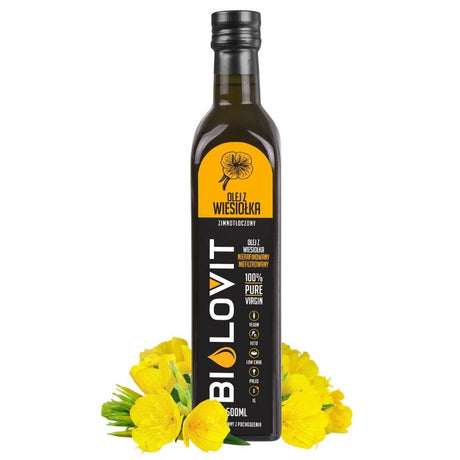
Bilovit
Bilovit õhtuõli külmpressitud - 500 ml
Soodushind €21.05 Tavahind €24.79Ühiku hind€42.10 /L


 10% soodustust
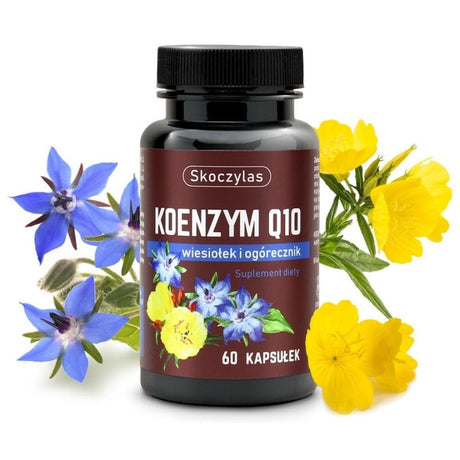
Purelab Marek Skoczylas
Skoczylas Coenzyme Q10, Ohtuleht ja booraaž - 60 kapslit.
Soodushind €20.68 Tavahind €22.99Ühiku hind€0.34 tükk


Vastunäidustused ja ohutus
See artikkel on ainult informatiivne ega asenda arsti nõuannet. Terviseprobleemide, raseduse, imetamise või ravimite kasutamise korral pidage nõu arsti või apteekriga. Toidulisandid ei asenda mitmekesist toitumist.


