

Omega-3-rasvhapped kuuluvad kaasaegses toitumisteaduses kõige enam uuritud toitainete hulka – ja on samas Euroopa toitumisharjumustes ühed kõige sagedamini alatarbitavad. Neid liigitatakse asendamatuteks rasvhapeteks, mida inimkeha ise sünteesida ei suuda ja mis tuleb saada toidu või toidulisandite kaudu. Sellest hoolimata, on soovitatava ja tegeliku tarbimise vahe enamikus vanuserühmades endiselt märkimisväärne. Omega-3-rasvhapete olemuse, nende tähtsuse, ja kvaliteetse allika valimise mõistmine on üks mõjukaimaid asju, mida saate oma pikaajalise toitumistervise heaks teha.
Mis on omega-3-rasvhapped?
Omega-3-rasvhapped on polüküllastumata rasvhapete perekond, mida iseloomustab esimese kaksiksideme asukoht süsinikuahelas. Inimese tervisele on olulised kolm peamist tüüpi:
- ALA (alfa-linoleenhape) — taimne vorm, mida leidub linaseemnetes, kanepis, kreeka pähklites ja rapsiõlis. ALA on ainus omega-3, mis on klassifitseeritud rangelt asendamatuks, mis tähendab, et keha ei suuda seda üldse toota. See peab pärinema toidust.
- EPA (eikosapentaeenhape) — pika ahelaga omega-3, mida leidub peamiselt rasvasest kalast ja merevetikatest. Keha suudab ALA-d EPA-ks, muundada, kuid muundamise määr on madal — tavaliselt 5–10%.
- DHA (dokosaheksaeenhape) — pikima ahelaga omega-3, mis pärineb samuti mereallikatest. DHA on ajukoe ja võrkkesta struktuurikomponent. ALA muundumine DHA-ks organismis on veelgi piiratum kui EPA-ks.
Sellel eristamisel on praktiline tähtsus: linaseemneõli tarbimine annab ALA-d, mis toetab üldist rakkude tervist, kuid ei varusta usaldusväärselt EPA-d ja DHA-d, mida keha vajab aju, südame, ja silmade funktsioneerimiseks. Nende EPA ja DHA kasulike omaduste saamiseks, on otsesed toidu- või toidulisandite allikad kõige usaldusväärsem lähenemisviis.
Miks omega-3-rasvhapped on olulised: peamised funktsioonid
Süda ja südame-veresoonkonna tervis
EPA ja DHA kuuluvad väheste toitainete hulka, millel on hästi tõestatud, ja ametlikult tunnustatud ELi tervisealased väited südame-veresoonkonna funktsiooni kohta. DHA ja EPA aitavad kaasa südame normaalsele toimimisele; EPA ja DHA aitavad kaasa normaalsete triglütseriidide tasemete säilitamisele veres (päevase 2 g tarbimise korral); DHA ja EPA aitavad kaasa normaalsele vererõhule (päevase 3 g tarbimise korral). Need ei ole turundusväited – need on heaks kiidetud Euroopa Toiduohutusameti poolt kliiniliste tõendite alusel. Inimestele, kes soovivad toetada oma südame-veresoonkonna tervist toitumise ja toidulisandite abil, pakub meie südame-veresoonkonna tootevalik mitmeid asjakohaseid tooteid.
Aju funktsioon ja vaimne tervis
DHA on neuronite struktuurne komponent – see on inkorporeeritud kogu aju rakumembraanidesse ja mängib otsest rolli ajurakkude vahelises signaaliedastuses. DHA aitab kaasa aju normaalsele funktsioneerimisele (ELi heakskiidetud väide 250 mg päevas). Piisav DHA tarbimine kogu elu jooksul – alates sünnieelsest arengust kuni vanema täiskasvanueani – on seotud parema kognitiivse suutlikkuse, mälu, ja meeleolu reguleerimisega. EPA rolli emotsionaalse tasakaalu toetamisel, on uuritud ning mitmes kliinilises uuringus on uuritud selle potentsiaali madala meeleolu ja stressireaktsiooni kontekstis. Kognitiivse tervise laiemaks toetamiseks, uurige meie aju ja kognitiivse funktsiooni kollektsiooni.
Silmade tervis
DHA on kontsentreeritud ka võrkkesta fotoretseptorites, kus see aitab kaasa normaalsele nägemisele (ELi heakskiidetud väide 250 mg/päevas). See on üks põhjus, miks rõhutatakse eriti omega-3-rasvhapete tarbimist raseduse ja varase lapsepõlve ajal – arenev nägemissüsteem vajab palju DHA-d.
Rasedus ja lapse areng
Ema DHA-tarve aitab kaasa loote ja rinnaga toidetava imiku aju ja silmade normaalsele arengule – ELi heakskiidetud tervisealane väide rasedatele ja imetavatele naistele 200 mg DHA päevas üle üldise soovituse. Piisav omega-3-rasvhapete tase raseduse ajal ja esimestel eluaastatel on üks tõenditel põhinevaid toitumisalaseid prioriteete sünnitusjärgses hoolduses. Nordic Naturals pakub spetsiaalseid rasedatele ja lastele mõeldud toidulisandeid, mis on loodud just nende eluetappide jaoks, saadaval meie tervis raseduse ajal kollektsioonis.
Kala vs taimsed allikad: Mida valida
Taimsed omega-3 allikad (linaseemned, kanep, kreeka pähklid, chia) pakuvad ALA-d — kasulikku toidurasva, kuid ei ole usaldusväärne asendus EPA-le ja DHA-le, arvestades keha piiratud muundamisvõimet. Rasvane kala (lõhe, makrell, heeringas, sardiinid) annavad EPA-d ja DHA-d otse. Vetikad – algne allikas, millest kalad oma omega-3-rasvhappeid koguvad – annavad EPA-d ja DHA-d vormis, mis sobib taimset toitumist järgivatele inimestele.
Kalaõlidega seotud praktiline mure on saasteainete oht – rasvases kalas, eriti suuremates liikides, võivad koguneda raskmetallid, PCB-d, ja dioksiinid. Kvaliteetsed omega-3-toidulisandid lahendavad selle probleemi molekulaarse destillatsiooni või muude puhastusprotsesside abil; puhtust kinnitav analüüsisertifikaat on kasulik kvaliteedi näitaja. Vetikapõhised toidulisandid vältivad seda probleemi täielikult, kuna neid kasvatatakse kontrollitud keskkonnas.
Kalaõli ja mere omega-3 toidulisandid
Meie omega-3 tootevalik hõlmab tuntud brändide algtaseme tooteid kuni kõrge kontsentratsiooniga toodeteni. Nordic Naturals ja Solgar on meie valikus olevate brändide seas kõige rohkem testitud ja järjepidevalt kõrgelt hinnatud tooted:


Nordic Naturals
Nordic Naturals Omega-3 690 mg, Lemon - 120 pehmekapslid
Tavahind €35.59Ühiku hind€0.30 tükk
Now Foods
Now Foods Ultra Omega-3, 500 EPA / 250 DHA - 90 pehmekapslid
Tavahind €19.89Ühiku hind€0.22 tükk
Doctor's Best
Doctor's Best Purified & Clear Omega 3 kalaõli koos Goldenomega 1000 mg - 120 kapslit
Tavahind €37.29Ühiku hind€0.31 tükk


Taimsed ja vetikatest saadud omega-3
Inimestele, kes järgivad vegan- või taimetoitlust – või neile, kes eelistavad vältida kalast saadud tooteid –, pakuvad vetikatest saadud EPA ja DHA toidulisandid samu toimeaineid ilma loomset päritolu koostisosadeta. Vegetology ja Nordic Naturals pakuvad mõlemad sertifitseeritud vegan-tooteid:



Vegetology
Vegetology Omega 3 EPA & DHA + D3-vitamiin - 60 kapslit
Tavahind €28.89Ühiku hind€0.48 tükk

Vegetology
Vegetology Omega 3 EPA & DHA + D3-vitamiin vedel, Natural - 150 ml
Tavahind €28.49Ühiku hind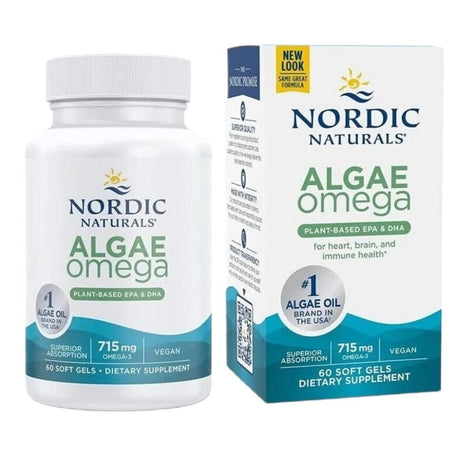


Nordic Naturals
Nordic Naturals Algae Omega 715 mg - 60 pehmetoitelised tabletid
Tavahind €31.39Ühiku hind€0.52 tükk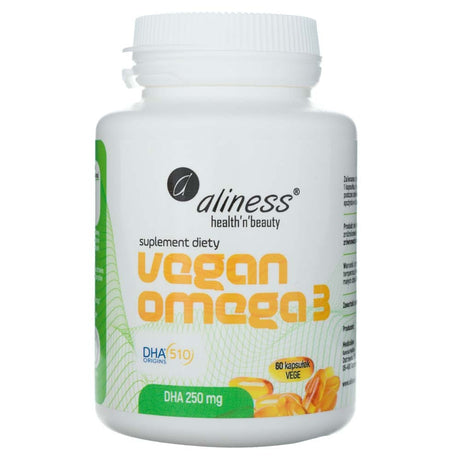


Omega-3 lastele
Laste omega-3 vajadused on kliinilises toitumises hästi kindlaks määratud. DHA toetab aju ja silmade normaalset arengut, ning piisav tarbimine esimestel eluaastatel on seotud paremate kognitiivsete ja visuaalsete tulemustega. Nordic Naturals laste jaoks mõeldud tooted on saadaval vedelate ja närimistablettidena, maitsetega, mis on loodud just laste maitsele. Täieliku valiku leiate meie laste tervise kollektsioonist.
Linaseemneõli: Taimne ALA allikas
Neile, kes kasutavad omega-3-rasvhappeid osana terviktoidu toitumiskavast – nagu näiteks Budwigi protokoll –, on külmpressitud linaseemneõli () endiselt rikkalikum taimne ALA allikas. See aitab kaasa omega-3 ja omega-6 tasakaalustatud suhtele toidus ning toetab normaalset kolesteroolitaset veres, kui asendab küllastunud rasvu. Linaseemneõli on üksikasjalikult käsitletud meie eriariklis dr Budwigi dieedi kohta; meie kogu külmpressitud linaseemneõlide valik on saadaval toiduõlide rubriigis.
Omega-3 ja kolesterool: ootuste seadmine
Omega-3 seost kolesterooliga mõistetakse sageli valesti. EPA ja DHA suuremates annustes (2 g/päevas või rohkem) aitavad säilitada normaalset triglütseriidide taset veres — olulist südame-veresoonkonna haiguste riskimarkerit. Nende otsene mõju LDL-kolesteroolile on tagasihoidlikum ja sõltub kontekstist. Järjepidevam kardiovaskulaarne kasu tuleneb pigem küllastunud ja transrasvade asendamisest omega-3-rikaste allikatega, kui lootusest, et omega-3 üksi parandab kõrge kolesteroolitasemega toitumist. Kombineerituna töödeldud toiduainete tarbimise vähendamisega, on tõendid omega-3-toidulisandite südame-veresoonkonna tervise toetamise kohta tugevad ja hästi kinnitust leidnud.
See artikkel on ainult informatiivne ega asenda arsti nõuannet. Terviseprobleemide, raseduse, imetamise või ravimite kasutamise korral pidage nõu arsti või apteekriga. Toidulisandid ei asenda mitmekesist toitumist.


