

Harilik põld-piparmünt (Tanacetum vulgare) on mitmeaastane taim, mis on Euroopa rahvameditsiinis ammu tuntud, ja mida hinnatakse selle iseloomuliku aromaatse lõhna ning laia traditsioonilise kasutusala poolest. Alates seedimise toetamisest kuni parasiidivastase kasutamiseni, on see tagasihoidlik teeäärne taim olnud sajandeid osa taimravi praktikast — ja jätkab huvi äratamist kaasaegses fütoteraapias. Seda öeldes, on see ka taim, mis nõuab austust: selle mõju on kahepoolne.
Mis on tavaline tansy ja kuidas seda ära tunda?
Tavaline tansy kasvab kuni meetri kõrguseks ja on kergesti äratuntav oma tumeroheliste, sulgjate lehtede ja väikeste, nööbilaadsete kollaste õite poolest, mis ilmuvad suve jooksul lameda tipuga kobarates. Taime kõige äratuntavam tunnus on tugev, kamferilaadne aroom – seda on võimatu eksida, kui seda kord kätte saad. See kasvab looduslikult kogu Euroopas,, sealhulgas Poolas,, teede ääres,, tühermaadel ja põldude servades. Seda kasvatatakse ka nii dekoratiiv- kui ka ravimtaimena ravimtaimede aedades.
Taime ravimlik kasutamine ulatub tagasi antiikajani. Roomalased ja kreeklased hindasid seda terapeutilise ravimtaimena, ning keskajal oli see Euroopa kloostriaedade põhikomponent, kus mungad kasutasid seda mitmesuguste tervisehäirete ravimite valmistamiseks. Poola rahvameditsiinis, peeti tansyt mitmekülgseks taimeks, millel on kaitsvad, põletikuvastased, ja parasiidivastased omadused.
Harilik tansy vs. palavikupuu — mitte sama taim
Enne tansy omaduste uurimist, tasub selgitada üht sagedast segadust tekitavat punkti: harilik tansy (Tanacetum vulgare) ja palavikupõõsas (Tanacetum parthenium, varem Chrysanthemum parthenium) on kaks erinevat taime, kuigi nad kuuluvad samasse Asteraceae sugukonda ja neil on mõned ühised traditsioonilised kasutusviisid.
Tavaline tansy on sulgjas, tumeroheliste lehtedega, tugeva terava lõhnaga, ja väikeste kollaste keskmiste õitega, millel puuduvad kroonlehed. Seevastu palavikupuu, on väiksemate, heledamate lehtede ja valge daalia-taoliste õitega, ning seda seostatakse taimse traditsiooni raames peamiselt migreeni ja peavalu leevendamisega. Seda otsides on oluline kontrollida, milline liik on tegelikult etiketil märgitud.
Traditsioonilised kasutusviisid ja toimeained
Tansy omadused tulenevad peamiselt selle eeterliku õli sisaldusest, flavonoididest, ja seskviterpeenlaktoonidest. Peamine toimeaine on tujon (, mis on olemas eeterlikus õlis), ja mis vastutab nii taime parasiidivastase toime kui ka selle mürgisuse eest suuremates annustes. Teisele koostisosale, tanetsetiinile, omistatakse traditsiooniliselt taime toime sooleparasiitide vastu.
Parasiidivastased omadused
Tansy'l on pikk ajalugu traditsioonilise loodusliku parasiidivastase ravimtaimena. Tansy taimest valmistatud infusioone ja keetmisi on rahvameditsiinis kasutatud sooleusside, sealhulgas ümarusside (Ascaris lumbricoides), piimusside, ja lintusside vastu. Pakutud toimemehhanism hõlmab sooleusside, halvatamist, mis võib hõlbustada nende eemaldamist seedetraktist.
On oluline rõhutada, et kuigi see traditsiooniline kasutus on hästi dokumenteeritud, ei tohiks see asendada parasiitnakkuste meditsiinilist diagnoosimist ja ravi. Kui kahtlustate parasiitnakkust, pöörduge arsti poole. Neile, kes on huvitatud meditsiinilise ravi kõrval täiendavast taimsest toetusest, sisaldab meie taimekollektsioon valikut traditsiooniliselt kasutatavaid parasiidivastaseid ja puhastavaid taimi.

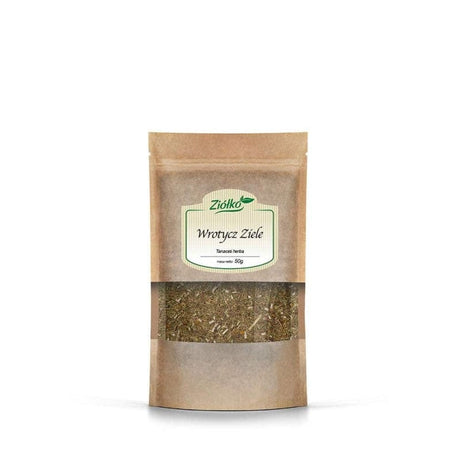

Seedeelundkonna toetamine
Lisaks oma parasiidivastasele mainele, kasutatakse tavalist raudrohtu traditsiooniliselt seedimise toetamiseks. Seda peetakse sapieritust soodustavaks taimeks – mis tähendab, et see võib stimuleerida sapi eritumist – ning seda on ajalooliselt kasutatud kõhupuhituse, aeglase seedimise, ja söögijärgse ebamugavustunde leevendamiseks. Need seedimist soodustavad omadused on teinud sellest tavalise koostisosa traditsioonilistes taimsetes bitterites ja seedimist soodustavates teedes.
Muud traditsioonilised kasutusviisid
Välispidiselt, on tansy preparaate kasutatud kompressidena või lisatud vannidesse, et leevendada nahaärritusi, lööbeid, ja sügelust. Tänu oma tugevale lõhnale on sellest saanud ka traditsiooniline putukate ja kahjurite tõrjevahend — tansyt puistati ajalooliselt kodude ja aedade ümber, et peletada kärbseid, sipelgaid, ja muid putukaid, mida hinnatakse siiani orgaanilises aianduses Toda y. Aroomiteraapias, väidetakse, et taime aroomil on rahustavad omadused, kuigi selle kasutamine on vähem tõestatud.
Kuidas valmistada ja kasutada tansy-maitsetaime
Kuivatatud tansy-maitsetaime saab valmistada infusioonina. Tavaline kogus on umbes 1–2 teelusikatäit kuivatatud ürti kuuma vee tassi kohta, mida lastakse tõmmata 10–15 minutit. Sellist teed võib võtta 2–3 korda päevas pärast sööki seedimise toetamiseks. Väliseks kasutamiseks, võib jahutatud tõmmist nahale kanda loputusena või kompressina.
Kuivatatud tansyt tuleks hoida suletud anumates, valguse ja niiskuse eest kaitstult, et säilitada selle toimeained. On oluline mitte ületada soovitatud koguseid – see on üks taim, mille puhul rohkem ei ole kindlasti parem.
Maksa toetamine pärast taimset puhastust
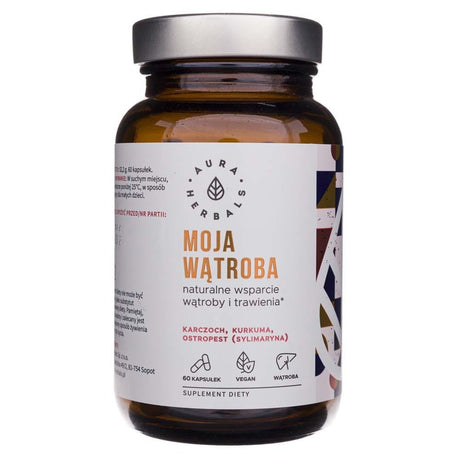
Kui kasutate taimi, mida traditsiooniliselt seostatakse seedimise puhastamise või parasiitidevastase toega, on hea tava toetada ka maksa funktsiooni. Maitsetaimed nagu piimohakas, võilillejuur, ja artišokk on pikka aega kasutatud maksa tervise ja sapitootmise toetamiseks. Meie detoksikatsiooni- ja puhastuskollektsioon ning seedesüsteemi toidulisandid pakuvad selles valdkonnas mitmeid võimalusi.


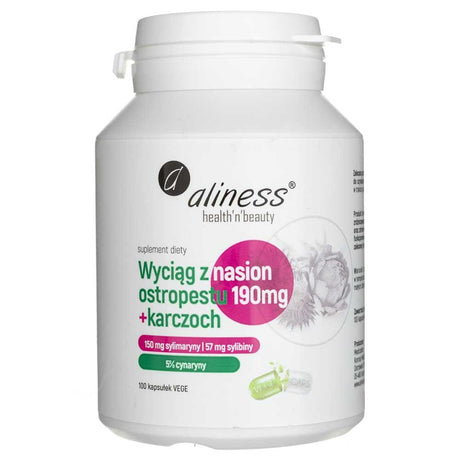


Aliness
Aliness Piimaohaka seemneekstrakt + Artišokki - 100 taimekapslit
Tavahind €11.69Ühiku hind€0.12 tükk


Kõrvaltoimed ja vastunäidustused
Harilik raudrohi on tugev ravimtaim ja seda tuleks kasutada ettevaatusega. Tänu tujooni sisaldusele on soovitatud annuste ületamisel reaalne risk. Suured annused või pikaajaline kasutamine võivad põhjustada maksa ja neerude toksilist kahjustust. Isegi mõõdukate annuste korral, võivad mõnedel inimestel esineda iiveldus, oksendamine, kõhulahtisus, või peapööritus. Inimesed, kellel on teadaolev allergia Asteraceae sugukonna taimede vastu (, kuhu kuuluvad kummeli, ehinatsea, ja saialille), peaksid olema eriti ettevaatlikud, kuna on võimalik ristreaktsioon.
See artikkel on ainult informatiivne ega asenda arsti nõuannet. Terviseprobleemide, raseduse, imetamise või ravimite kasutamise korral pidage nõu arsti või apteekriga. Toidulisandid ei asenda mitmekesist toitumist.


