

Raud on üks neist toitainetest, mis satub harva uudiste pealkirjadesse, kuni midagi läheb valesti. Kuigi raud moodustab vaid murdosa kogu kehakaalust, on see inimkehas kõige rohkem esinev mikroelement – ja selle puudumist tuntakse kiiresti. Alates hapniku transportimisest veres kuni kognitiivsete funktsioonide ja energia ainevahetuse toetamiseni, toetab raud protsesse, mis mõjutavad seda, kuidas me end iga päev tunneme. Mõistmine, mida raud teeb, kes vajab seda rohkem, ja kuidas puudust ravida, on praktiline teadmine peaaegu kõigile.
Mida raud kehas teeb?
Raua kõige olulisem roll on olla hemoglobiini, keskne komponent – see on punaliblede valk, mis vastutab hapniku sidumise eest kopsudes ja selle transportimise eest kogu keha kudedesse. See on ka osa müoglobiinist, lihasvalgust, mis ladustab hapnikku ja varustab sellega füüsilise pingutuse ajal. See tihe seos hapniku transportimisega selgitab, miks väsimus ja õhupuudus on esimesed märgid, et raua tasemega on midagi valesti. Lisaks hapniku transportimisele osaleb raud DNA sünteesis, teatud neurotransmitterite, sealhulgas adrenaliini ja noradrenaliini tootmises ning mitmesugustes ensümaatilistes ainevahetusreaktsioonides. Uuringud viitavad ka raua rollile kognitiivsetes funktsioonides – kontsentratsioon, mälu, ja püsiva vaimse pingutuse võime on kõik mõjutatud, kui raua tase langeb alla optimaalse vahemiku.
Raudpuudus – kes on ohustatud ja millised on sümptomid?
Raudpuudus on maailmas kõige levinum toitainete puudus, mis mõjutab hinnanguliselt 20% maailma elanikkonnast. Kõige sagedamini mõjutatud rühmad on menstruaalverekao tõttu reproduktiivses eas naised (), rasedad ja imetavad naised, kasvufaasis olevad imikud ja noorukid, sportlased (, kes kaotavad rauda higi kaudu), eakad, ja need, kes järgivad
Varajane rauapuudus areneb sageli järk-järgult ja võib alguses olla sümptomivaba. Kui organismi rauavarud ammenduvad ja hemoglobiini tootmine väheneb, muutuvad sümptomid selgemaks:
- Pidev väsimus ja vähene energia
- Naha ja limaskestade kahvatus
- Õhupuudus igapäevaste tegevuste ajal
- Kontsentreerumisraskused ja vähenenud motivatsioon
- Haprad küüned ning häiritud küünte ja juuste kasv
- Suurenenud vastuvõtlikkus nakkustele TiB
Ravimata raudpuudus viib, raudpuudusaneemiani — seisundini, kus punaliblede tootmine on oluliselt häiritud. On oluline märkida, et aneemia on sümptom, mitte diagnoos iseenesest; enne toidulisandite võtmise alustamist on oluline kindlaks teha raua kaotuse või halva imendumise põhjus. Võimalikud põhjused on tugev menstruatsioon, seedetrakti verejooks, põletikulised soolehaigused, nagu Crohni tõbi, tsöliaakia või pärilikud imendumishäired.
Raud toidus – heem- ja mitte-heem-allikad
Toidus leidub rauda kahes erinevas vormis, mille biosaadavus on väga erinev. Heme-raud, mida leidub loomsetes toodetes, on biosaadavusega umbes 25% ja imendub tõhusalt sõltumata ülejäänud toidust. Mitte-heemraud, leidub taimsetes toiduainetes ja munades, imendub tavatingimustes vaid 5–10% ulatuses — kuid seda on võimalik õige toitumise abil märkimisväärselt parandada.
Peamised toiduallikad tüübi järgi:
- Heme-raud (loomsetest allikatest): punane liha, sealiha, veiseliha, siseelundid (eriti maks), linnuliha, kala, karploomad, austrid
- Mitte-heemraud (taimsed allikad): tumerohelised lehtköögiviljad (spinat, lehtkapsas), kõrvitsaseemned, kaunviljad (läätsed, kikerherned, punased oad), spargel, kašupähklid, mandlid, munakollased
Mitte-heemse raua imendumise parandamiseks, kombineerige taimseid rauaallikaid C-vitamiiniga — kas toiduna (tsitrusviljad, paprika, brokoli) või toidulisandina. Muud raua imendumist toetavad kofaktorid on vask, koobalt, ja mangaan. Seevastu, kaltsium, tanniinid (, mida leidub tees ja kohvis), ning fütaadid (täisteratoodetes ja kaunviljades) võivad imendumist pärssida, kui neid tarbitakse sama söögikorra ajal.
Raua toidulisandid — vormid ja mida otsida
Kõik raua toidulisandid ei ole võrdsed. Toidulisandis kasutatava raua vorm mõjutab oluliselt nii imendumise efektiivsust kui ka seedetrakti kõrvaltoimete tõenäosust, mis on raua toidulisandite puhul kõige sagedasem kaebus.
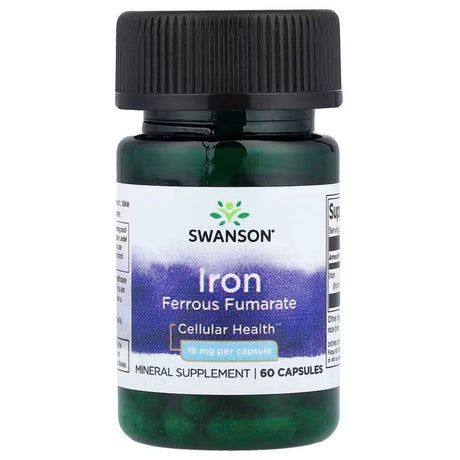
Raudfumaraat on orgaaniline rauaühend, millel on hea biosaadavus ja üldiselt parem talutavus kui vanematel anorgaanilistel vormidel, nagu raudsulfaat. Standardne toidulisandi annus sisaldab umbes 100 mg raudfumaraati, mis annab ligikaudu 30–35 mg elementaarset rauda. Raudbisglütsinaat (, mida nimetatakse ka kelaatitud rauaks), peetakse laialdaselt kõige paremini talutavaks vormiks, millel on kõrge biosaadavus ja minimaalne seedetrakti ärritus – see teeb sellest tugeva valiku tundlikele inimestele. Liposomaalne raud pakub veel ühte hästi talutavat manustamisvõimalust, eriti neile, kellel on olnud raskusi tavapäraste toidulisanditega. Vedela raua preparaate, sealhulgas tilku, eelistatakse sageli lastele ja neile, kellel on raskusi kapslite või tablettidega.
Tutvuge meie täieliku raua toidulisandite valikuga spetsiaalses raua kollektsioonis.

Doctor's Best
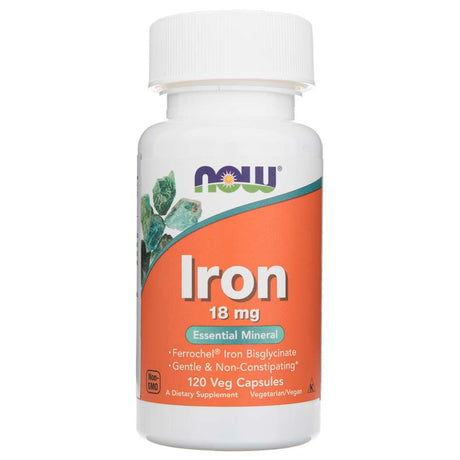
Doctor's Best Kõrge imendumisvõimega raud Ferrochel 27 mg - 120 tabletti
Tavahind €14.69Ühiku hind€0.12 tükk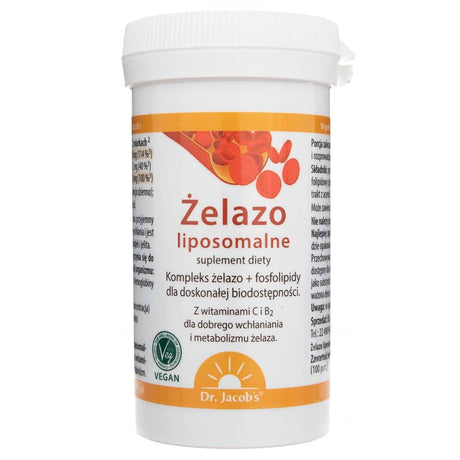

 10% soodustust
Dr. Jacob's
Dr. Jacob's Liposomaalne raud, pulber - 64 g
Soodushind €18.99 Tavahind €21.19Ühiku hind€29.67 /100g




Referentsvahemikud ja millal testida
Vere raua taset mõõdetakse seerumis ja see varieerub vanuse ja soo järgi. Standardseid referentsvahemikke on:
- Naised: 60–180 µg/dl
- Mehed: 70–200 µg/dl
- Alla 15-aastased lapsed: 45–185 µg/dl
Tuleb märkida, et seerumi raua tase võib päeva jooksul kõiguda, mistõttu üks mõõtmistulemus ei pruugi alati anda terviklikku ülevaadet. Kliinikud hindavad raua seisundit tavaliselt koos ferritiini, ladustatud raua, transferriini küllastuse ja täieliku verepildi abil. Kui kuulute kõrgemasse riskirühma või tunnete püsivat väsimust, tasub küsida täielikku raua analüüsi, mitte ainult seerumi raua taset.
Neile, kelle rauatase on piiripealne, kuid mitte tõsiselt puudulik, võib piisata toitumise kohandamisest koos hästi talutava toidulisandiga. Energia ja punaliblede tootmise täiendavat toetust on saadaval ka B-vitamiinide — eriti B12 ja foolhape — ning meie laiemast mineraalide kollektsioonist.




Hepatica
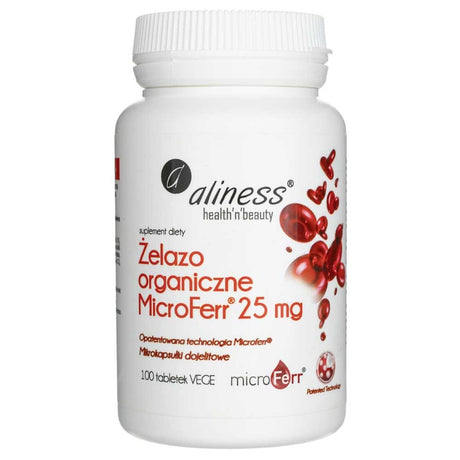
Hepatica Endosomaalne raud, Mikroniseeritud – 100 kapslit
Tavahind €12.69Ühiku hind€0.13 tükk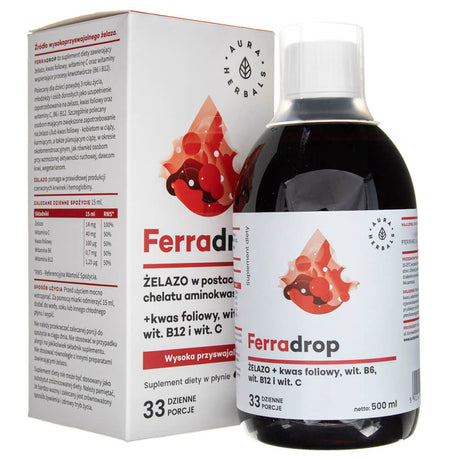


Aura Herbals
Aura Herbals Ferradrop - vedel raua + foolhape - 500 ml
Tavahind €7.79Ühiku hind€15.58 /L


See artikkel on ainult informatiivne ega asenda arsti nõuannet. Terviseprobleemide, raseduse, imetamise või ravimite kasutamise korral pidage nõu arsti või apteekriga. Toidulisandid ei asenda mitmekesist toitumist.


